

The train from Zurich to Milan is one of the most scenic and comfortable ways to travel between Switzerland and northern Italy. You cross the Alps through tunnels and valleys, pass through Swiss and Italian border control without leaving your seat, and arrive in Milan’s central station in about 3 hours and 20 minutes. This guide covers ticket prices in CHF, departure times, booking tips, and what to expect on board for English speakers planning this popular cross-border route.
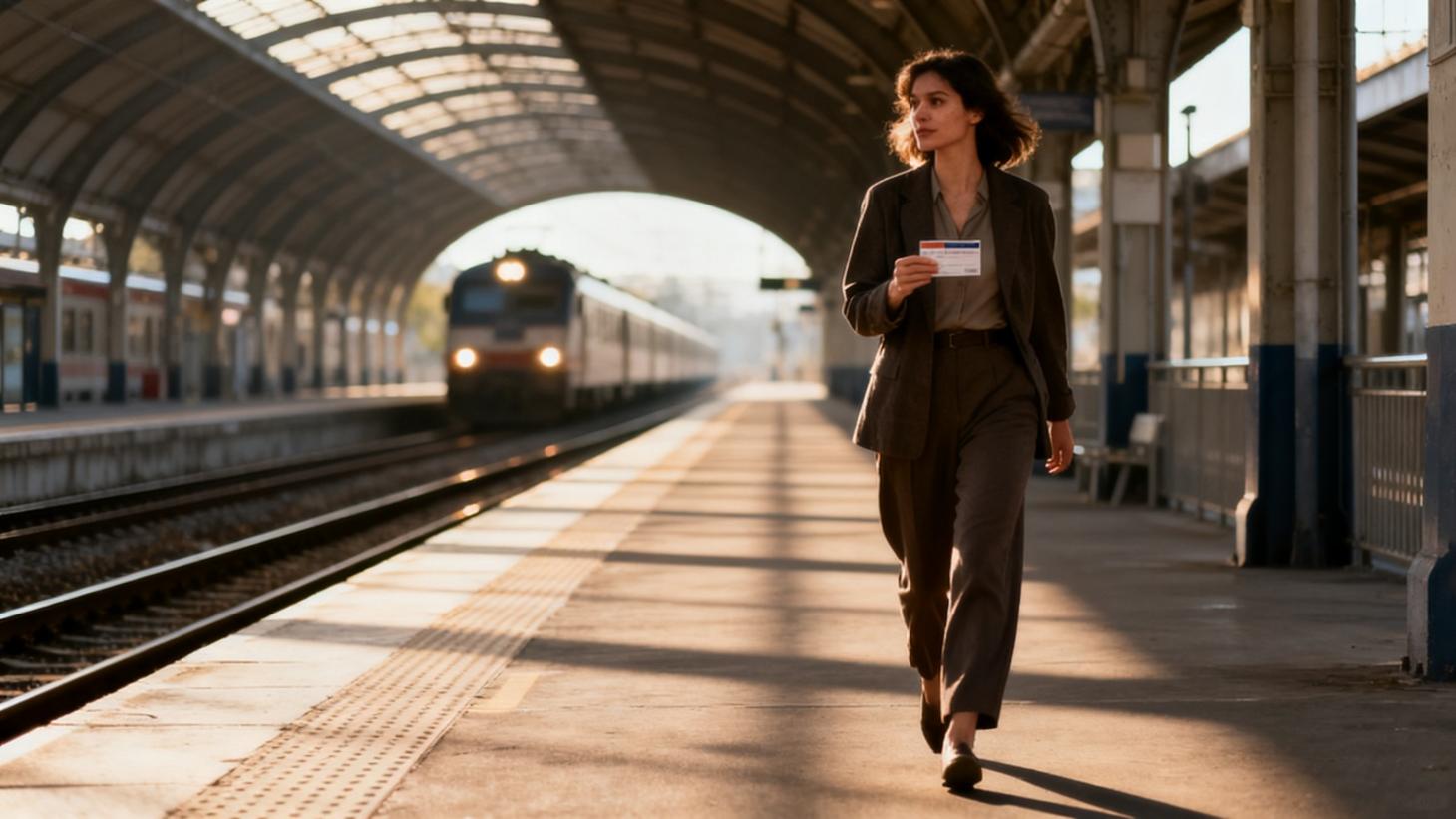
Zurich to Milan Train — Border-Crossing Guide
Quick Answer
The Zurich to Milan train takes 3 hours and 20 minutes on direct EuroCity services, with tickets starting at CHF 29 when booked early and standard fares around CHF 89. Trains depart from Zurich Hauptbahnhof approximately every 2 hours throughout the day, crossing the Swiss-Italian border via the Gotthard Base Tunnel and arriving at Milano Centrale.
What You Will Find in This Guide
How the Zurich to Milan Train Route Works
The Zurich to Milan train is operated jointly by Swiss Federal Railways (SBB) and Trenitalia under the EuroCity brand. These are direct services with no changes required, running daily year-round between Zurich Hauptbahnhof and Milano Centrale. The route covers approximately 280 kilometers and uses the Gotthard Base Tunnel, the world’s longest railway tunnel at 57 kilometers, which opened in 2016.
You depart from Zurich’s main station, pass through central Swiss towns including Zug and Arth-Goldau, then enter the Gotthard tunnel near Erstfeld. The tunnel eliminates the old winding mountain route, cutting travel time by about 40 minutes compared to the pre-2016 journey.
After exiting the tunnel at Bodio in Ticino, the train continues through Bellinzona and Lugano before crossing the Swiss-Italian border near Chiasso. From there it is a straight run south through Como and into Milan’s central station.
Journey Time and Schedule
Most direct EuroCity trains from Zurich to Milan take 3 hours and 20 minutes. Some services make additional stops and take closer to 4 hours, so check the specific departure when booking. Trains typically depart Zurich Hauptbahnhof around 06:40, 08:40, 10:40, 12:40, 14:40, 16:40, and 18:40, though the exact schedule varies by day and season.
The morning departure at 06:40 gets you into Milan before 10:00, making it popular with business travelers and anyone wanting a full day in the city. The midday services are often busiest with tourists and weekend travelers.
Return trains from Milano Centrale to Zurich follow a similar schedule, with departures roughly every 2 hours from early morning until evening. The last direct service usually leaves Milan around 18:00, arriving in Zurich by 21:30.
Peak Travel Times
Friday evenings and Sunday afternoons see the highest demand, especially in summer and around Italian public holidays. Booking at least 2 weeks ahead during these periods helps secure lower prices and seat availability.
Ticket Prices and Booking on the Zurich to Milan Train
Standard second-class tickets for the Zurich to Milan train cost around CHF 89 when purchased on the day of travel. If you book 1 to 3 months in advance through SBB or Trenitalia, you can find Super Saver fares starting at CHF 29 in second class and CHF 49 in first class. These discounted tickets are limited in number and non-refundable, but they offer the best value if your travel dates are fixed.
First-class tickets at full price cost approximately CHF 150, offering larger seats, more space, and a quieter environment. For travelers with a Swiss Half Fare Card, the full-price ticket drops to around CHF 45 in second class, though this discount does not apply to the Super Saver fares.
You can book tickets directly on the SBB website, the SBB Mobile app, Trenitalia’s site, or at ticket counters in Zurich Hauptbahnhof. The SBB app is straightforward for English speakers and shows both standard and discounted fares side by side.
Which Booking Platform to Use
SBB and Trenitalia sometimes show different prices for the same train, so compare both before purchasing. SBB accepts CHF and shows prices in Swiss francs, while Trenitalia operates in euros. Payment by credit card works on both platforms.
Reservations and Seat Selection
Seat reservations are not mandatory on the Zurich to Milan train, but they are included automatically with most discounted advance-purchase tickets. If you buy a full-price flexible ticket, you can add a reservation for CHF 5, which guarantees a specific seat and is worth doing during busy periods.
What to Expect on Board the Zurich to Milan Train
EuroCity trains on this route use modern air-conditioned carriages with power outlets at most seats, overhead luggage racks, and large windows. Second-class seats are arranged in rows of four with a center aisle, while first-class seats are in a 2-1 configuration with more legroom and adjustable headrests.
There is a restaurant car serving hot meals, sandwiches, coffee, beer, wine, and soft drinks. Prices are higher than in Swiss supermarkets but reasonable for train catering, with a cappuccino costing around CHF 4.50 and a panini about CHF 9. The menu includes both Swiss and Italian options.
Free wifi is available but can be slow or patchy once inside the Gotthard tunnel. Mobile data works throughout most of the journey except for brief stretches underground.
Luggage Allowance
There is no strict luggage limit on EuroCity trains, but you are responsible for loading and storing your bags. Overhead racks accommodate standard cabin-sized luggage, and there are open shelves near the carriage doors for larger suitcases.
Accessibility
All EuroCity trains on this route have wheelchair-accessible carriages with spaces for mobility devices, accessible toilets, and level boarding assistance available at both Zurich and Milan stations if requested in advance.
Border Crossing and Customs on the Zurich to Milan Train
Switzerland is not part of the European Union, but it is within the Schengen Area, which means there are no routine passport checks between Zurich and Milan. However, Swiss and Italian border police occasionally conduct random checks on board, so keep your passport or EU identity card accessible during the journey.
Customs rules allow EU and Swiss residents to carry personal items without restriction, but there are limits on goods like alcohol, tobacco, and cash. Non-EU travelers should be aware of import allowances if bringing purchases back into Switzerland.
The train does not stop at the border. The crossing happens while you are seated, and you will not notice any formal checkpoint. If police board for a check, they walk through the carriages and ask to see identification documents.
Tips for First-Time Travelers on the Zurich to Milan Train
Arrive at Zurich Hauptbahnhof at least 10 minutes before departure. The station is large and well-signed in English, but platforms can be busy. Check departure boards for your train number and platform, which are usually confirmed 15 minutes before departure.
If you are connecting from another Swiss city such as Lucerne or Basel, allow at least 20 minutes between trains. Zurich Hauptbahnhof is a major hub, and connections are generally reliable, but delays can happen.
Bring snacks and water if you prefer to save money, as prices in the restaurant car are higher than in Swiss shops. The Coop and Migros supermarkets inside Zurich station offer sandwiches, fruit, and drinks at standard Swiss retail prices.
What to Do if You Miss Your Train
If you hold a full-price flexible ticket, you can board the next available EuroCity service without penalty. If you have a discounted Super Saver ticket, it is valid only for the specific train shown on your reservation, and you will need to buy a new ticket if you miss it.
Language on Board
Announcements are made in German, Italian, and English. Staff in the restaurant car and conductors generally speak English, especially on international routes like this one.
Connecting Onward from Milan
Milano Centrale is Italy’s second-largest railway station and a hub for high-speed trains to cities across Italy and Europe. From Milano Centrale, you can take Frecciarossa or Italo trains to Florence in 1 hour 40 minutes, Rome in 3 hours, Venice in 2 hours 30 minutes, and Turin in 1 hour.
International connections from Milan include direct trains to Paris, Geneva, Barcelona, and Munich. If you plan to continue onward the same day, book connecting tickets in advance to secure discounted fares and avoid queues at the ticket office.
Milano Centrale has left-luggage facilities, ATMs, cafes, and shops. The station is connected to Milan’s metro system via the M2 and M3 lines, providing easy access to the city center and surrounding neighborhoods.
If you are visiting Milan for the day and returning to Zurich, consider booking a return ticket in advance. Return tickets do not offer a discount over two one-way fares on this route, but booking both legs at once ensures you lock in Super Saver prices if available.
Exploring Milan Before Your Return
If you arrive in Milan in the morning and plan to return in the evening, you have 7 to 9 hours to explore. The Duomo cathedral, Galleria Vittorio Emanuele II, and Sforza Castle are all within 20 minutes of the station by metro. For a relaxed day trip, focus on 2 or 3 major sights and leave time for lunch and a coffee in one of the historic cafes near Piazza del Duomo.
For more ideas on what to do before or after your Milan trip, check out our guide on things to do in Zurich to make the most of your time in Switzerland.
Frequently Asked Questions
How much does the Zurich to Milan train cost?
Standard second-class tickets cost around CHF 89 when purchased on the day of travel. Advance-purchase Super Saver fares start at CHF 29 if booked 1 to 3 months ahead. First-class tickets cost approximately CHF 150 at full price or CHF 49 with early booking discounts. Prices vary depending on travel date and availability.
How long is the train ride from Zurich to Milan?
Direct EuroCity trains take 3 hours and 20 minutes on average. Some services with additional stops take closer to 4 hours. The route covers about 280 kilometers and passes through the 57-kilometer Gotthard Base Tunnel, the longest railway tunnel in the world.
Do I need a passport to travel from Zurich to Milan by train?
Yes, you must carry a valid passport or EU national identity card. Switzerland and Italy are both in the Schengen Area, so there are no routine border checks, but police may conduct random identity checks on board. Non-EU travelers should carry their passport at all times.
Can I use a Swiss Travel Pass on the Zurich to Milan train?
The Swiss Travel Pass is valid only within Switzerland, covering the journey from Zurich to the Swiss-Italian border at Chiasso. You will need a separate ticket for the Italian section from Chiasso to Milan, which costs around CHF 20 to CHF 30 depending on the service.
Are there direct trains from Zurich to Milan?
Yes, direct EuroCity trains operate between Zurich Hauptbahnhof and Milano Centrale approximately every 2 hours throughout the day. No changes are required. The first departure is usually around 06:40 and the last around 18:40, though exact times vary by day and season.
Final Thoughts on the Zurich to Milan Train
The Zurich to Milan train offers a comfortable and scenic way to travel between Switzerland and northern Italy without the hassle of airports or driving. Book early to secure the lowest fares, bring your passport, and allow time to explore Milan or connect onward to other Italian cities. Whether you are taking a day trip or continuing south, this cross-border route is one of the most efficient and enjoyable ways to experience both Swiss efficiency and Italian culture in a single journey.
