

Zurich is the largest city in Switzerland and one of the most efficient urban centers in Europe. If you are planning a visit or considering a move, knowing what to do in Zurich will help you make the most of your time in this financial hub on the shores of Lake Zurich. This guide covers the main things to do in Zurich, where to stay, how to get around, and what to expect in terms of cost and practicality. It is written for English-speaking expats, tourists, digital nomads, and professionals who want a grounded view of the city without the marketing language.
Zurich Travel Guide — Things to Do, Stay & Visit (2026)
Quick Answer
Zurich offers a mix of historic Old Town streets, world-class museums, Lake Zurich waterfront walks, and efficient public transport that connects you to the Swiss Alps in under 90 minutes. The city has over 430,000 residents and is the economic heart of Switzerland. Most visitors spend 2 to 3 days exploring the main sights, with day trips to Lucerne, the Rhine Falls, or mountain towns like Engelberg easily accessible by train.
What You Will Find in This Guide
Overview of Zurich
Zurich sits at 408 meters above sea level in the German-speaking part of Switzerland. The city stretches along both sides of the Limmat River as it flows out of Lake Zurich. The population of the city proper is around 430,000, but the greater Zurich area is home to over 1.5 million people.
The city is divided into 12 districts, with the Old Town split into Altstadt on both the left and right banks of the river. Zurich is known for its banking sector, pharmaceutical companies, and high standard of living. It ranks consistently in the top 10 most livable cities in global surveys.
The climate is temperate with cold winters and warm summers. January averages around 0°C, while July averages 19°C. Rain is spread throughout the year, so bring layers and a waterproof jacket regardless of the season.
Zurich is not the capital of Switzerland. That title belongs to Bern. But Zurich is the country’s economic engine and the most internationally connected city. The main airport, Zurich Airport, is located 10 kilometers north of the city center and serves as the primary hub for Swiss International Air Lines.
Top Things to Do in Zurich
Zurich offers a range of museums, historic sites, lakefront promenades, and access to nature within and beyond the city limits. Most attractions are concentrated in the Old Town and along the lake, making it easy to walk between them.
Walk the Old Town
The Altstadt is the historic heart of Zurich and consists of narrow cobbled streets, medieval buildings, and guild houses. You can walk from the main train station to Lindenhof hill in about 10 minutes. Lindenhof offers a view over the river and the Old Town rooftops. The area is free to explore and includes small boutiques, cafes, and antique shops.
Visit the Grossmünster
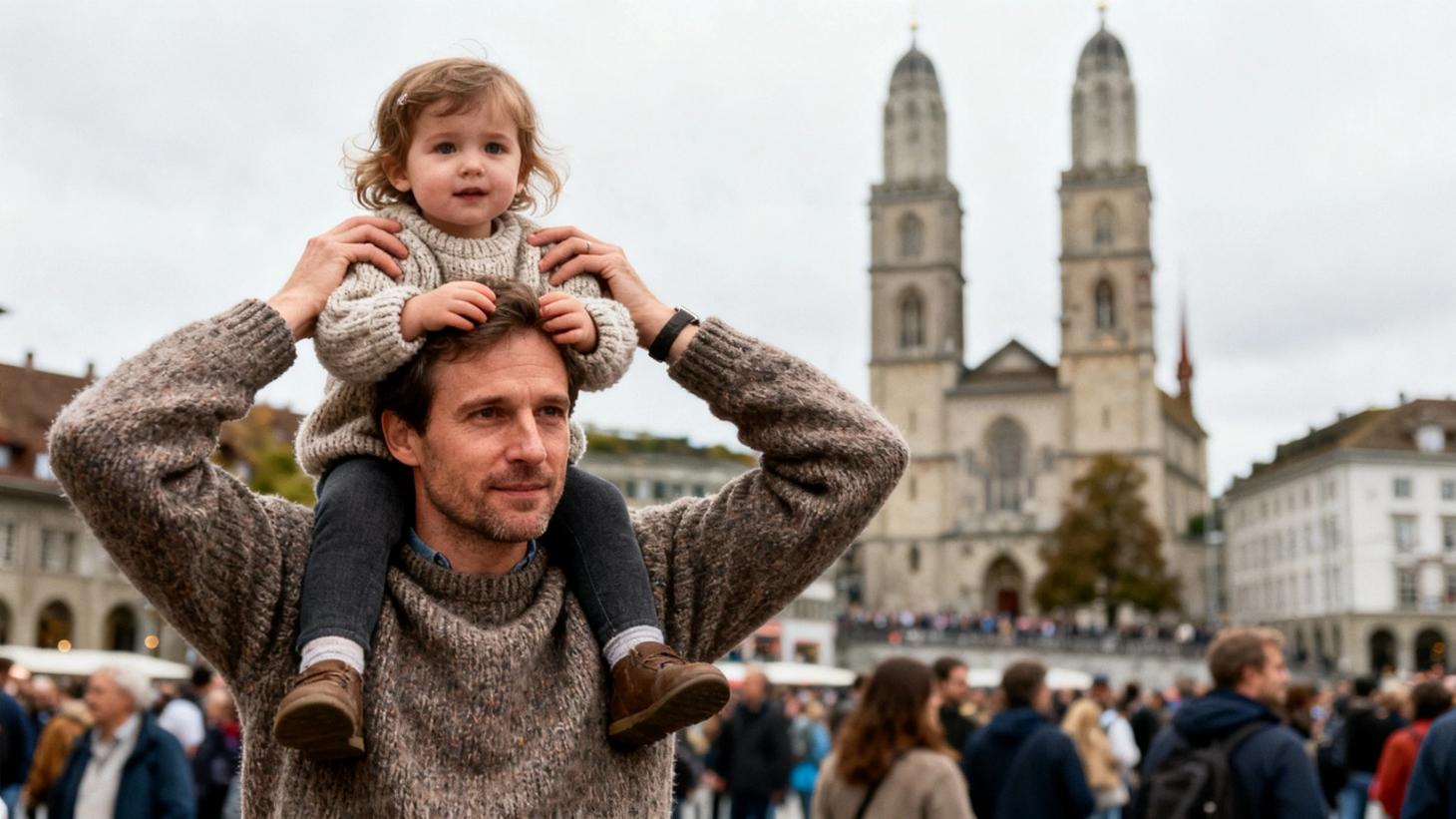
The Grossmünster is a Romanesque Protestant church with twin towers that define the Zurich skyline. The church dates back to the 12th century and was the starting point of the Swiss Reformation under Huldrych Zwingli. You can climb the Karlsturm tower for CHF 5 to get a panoramic view of the city and the lake. The church itself is free to enter.
Explore the Swiss National Museum
The Swiss National Museum is located next to the main train station in a castle-like building from 1898. The museum covers Swiss cultural history from prehistoric times to the present. Admission is CHF 10 for adults. The collection includes medieval artifacts, religious art, and rotating exhibitions on Swiss identity and innovation. It is one of the best places to understand the country’s history in one visit.
Walk Along Lake Zurich
The lakefront promenade stretches for several kilometers on both sides of the lake. The western shore has a paved path from Bürkliplatz down to Mythenquai and beyond. In summer, you will see people swimming in the lake at public baths like Seebad Enge or Strandbad Mythenquai. Entry to most public baths costs between CHF 6 and CHF 8. The water is clean and reaches around 22°C in July and August.
Take a Boat Trip on the Lake
Zurich Lake Navigation Company operates scheduled boat services from April to October. A short round trip from Bürkliplatz to Rapperswil takes about 90 minutes one way and costs CHF 14 each way with a half-fare card or CHF 28 full price. The boats stop at small towns along the lake, including Thalwil, Horgen, and Rapperswil. If you have a Swiss Travel Pass, the trip is included.
Visit Kunsthaus Zurich
The Kunsthaus is one of the most important art museums in Switzerland. It holds works by Alberto Giacometti, Marc Chagall, Edvard Munch, and Claude Monet. A new extension designed by David Chipperfield opened in 2021, adding significant space for modern and contemporary art. Admission is CHF 23 for adults. The museum is closed on Mondays.
Explore Bahnhofstrasse
Bahnhofstrasse is the main shopping street running from the train station to the lake. It is one of the most expensive retail streets in the world. You will find luxury brands, Swiss watch shops, and department stores like Globus and Jelmoli. Even if you are not shopping, it is worth walking the 1.4 kilometers to get a sense of the city’s commercial character.
Relax at the Botanical Garden
The University of Zurich Botanical Garden is located near the lake in the Seefeld district. Entry is free. The garden covers 53,000 square meters and includes Mediterranean plants, tropical greenhouses, and alpine flora. It is a quiet spot and less crowded than the lakefront parks.
Go Up Uetliberg Mountain
Uetliberg is the closest mountain to Zurich, standing at 871 meters. You can reach the summit by taking the S10 train from the main station to Uetliberg station in about 25 minutes. The fare is CHF 6.80 one way. From the station, it is a short walk to the viewing platform, which offers a 360-degree view of the city, the lake, and the Alps on clear days. There are marked hiking trails if you prefer to walk up or down.
Visit Fraumünster Church
Fraumünster is known for its five stained glass windows designed by Marc Chagall in 1970. The church dates back to the 9th century and sits on the western bank of the Limmat. Entrance is CHF 5. The Chagall windows are the main draw and are best seen in the afternoon when the light comes through from the west.
Best Neighborhoods to Stay in Zurich
Choosing where to stay depends on your budget, how long you are visiting, and what you want to be close to. Zurich has a compact center, so most areas are within 15 minutes of the main train station by tram or train.
Altstadt
The Old Town is the most central and historic area. Hotels here are expensive, with mid-range options starting at CHF 180 per night. The area is walkable, quiet in the evenings, and close to museums, churches, and restaurants. It is best for short visits and first-time tourists who want to be in the heart of the city.
Kreis 1 (City Center)
Kreis 1 includes the train station area and the shopping district. Hotels range from CHF 150 to CHF 400 per night. The neighborhood is loud near the station but convenient for transport connections. It is ideal if you are arriving late or leaving early and need quick access to trains and trams.
Kreis 4 (Aussersihl)
Kreis 4 is west of the train station and has become a popular area for younger visitors and expats. The neighborhood has independent cafes, street art, and a mix of residential and commercial buildings. Hotels and Airbnb options are slightly cheaper than the city center, starting around CHF 120 per night. It is a 10-minute walk or a short tram ride to the main station.
Kreis 5 (Industriequartier)
Kreis 5 is the former industrial zone turned creative district. It has art galleries, co-working spaces, and the Freitag flagship store built from shipping containers. The area is less touristy and offers a look at how Zurich is evolving. Hotel prices are comparable to Kreis 4. It is connected by tram lines 4 and 13.
Seefeld
Seefeld is a residential neighborhood on the eastern shore of the lake. It is quiet, green, and close to lakefront swimming areas. Hotels and apartments here start at CHF 140 per night. It is a 15-minute tram ride to the city center. This area suits visitors who want a slower pace and easy access to the water.
Zurich West
Zurich West is an urban redevelopment area with modern architecture, office towers, and entertainment venues like the Schiffbau theater. It is connected to the main station by tram and train. Hotels are newer and start around CHF 130 per night. The area is more corporate and less charming than the Old Town, but it is functional and clean.
Getting Around Zurich
Zurich has an integrated public transport system operated by ZVV, which includes trams, buses, trains, boats, and cable cars. The network is reliable, punctual, and covers the entire city and surrounding region.
Public Transport Tickets
A single ticket for Zone 110 (central Zurich) costs CHF 4.40 and is valid for 60 minutes. A day pass for the same zone costs CHF 8.80. If you are staying for several days, consider a Zurich Card, which costs CHF 27 for 24 hours or CHF 53 for 72 hours. The card includes unlimited public transport and discounts or free entry to over 40 museums and attractions.
You can buy tickets at machines at every tram and train stop, or through the ZVV app. Tickets must be validated before boarding. Inspectors check regularly, and the fine for riding without a valid ticket is CHF 100.
Trams
Trams are the backbone of city transport. The network has 13 lines and runs from around 5:30 AM until midnight on weekdays, with slightly shorter hours on weekends. Night trams run on Friday and Saturday nights. Trams are frequent, usually every 7 to 10 minutes during the day.
Trains
S-Bahn trains connect Zurich to towns and suburbs in the region. If you are staying outside the city center or planning day trips, you will use these trains regularly. The S-Bahn is integrated into the ZVV system, so the same tickets apply. Trains to the airport run every 10 minutes and take about 12 minutes from the main station.
Walking and Biking
Central Zurich is flat and easy to walk. The Old Town, lakefront, and main shopping streets are all within a 30-minute walk of each other. For longer distances, bike-sharing is available through Publibike, which costs CHF 1 to unlock and CHF 0.05 per minute. Bike lanes are clearly marked, though you will share space with trams in some areas.
Taxis and Rideshares
Taxis in Zurich are expensive. A 5-kilometer ride costs around CHF 25 to CHF 30. Uber operates in the city, but prices are similar to traditional taxis. Most visitors rely on public transport instead.
Day Trips from Zurich
Zurich is a good base for exploring other parts of Switzerland. The train network makes it easy to reach major cities and mountain towns within 1 to 2 hours.
Zurich to Lucerne
Lucerne is 53 kilometers south of Zurich. Direct trains run every 30 minutes and take between 45 and 50 minutes. The fare is CHF 26 one way. Lucerne has a preserved medieval Old Town, the Chapel Bridge, and access to Mount Pilatus and Mount Rigi. It is one of the most popular day trips from Zurich.
Zurich to Rhine Falls
The Rhine Falls near Schaffhausen is the largest waterfall in Europe by volume. Trains from Zurich to Schaffhausen take around 45 minutes and cost CHF 19 one way. From Schaffhausen, take a local train or bus to Neuhausen am Rheinfall, which is a 5-minute ride. Entry to the viewing platforms is free, though boat rides closer to the falls cost around CHF 8.
Paris to Zurich by Train
If you are traveling from Paris, the TGV Lyria train runs direct services in around 4 hours. Tickets start at $50 if booked in advance, but can go up to $200 or more for last-minute bookings. The train departs from Paris Gare de Lyon and arrives at Zurich Hauptbahnhof.
Zurich to Milan by Train
Direct trains from Zurich to Milan run several times a day and take around 3 hours 20 minutes. The route passes through the Gotthard Base Tunnel, the longest railway tunnel in the world. Tickets start at $40 if booked early and go up to $120 closer to departure. The train arrives at Milano Centrale.
Zurich to Engelberg
Engelberg is a mountain town known for skiing and Mount Titlis. The train from Zurich takes around 90 minutes with one change in Lucerne. The fare is CHF 34 one way. In summer, you can hike or take the cable car to Titlis for CHF 98 round trip from Engelberg.
Zurich to Appenzell
Appenzell is a traditional village in eastern Switzerland with painted houses and rolling green hills. The train takes about 90 minutes with a change in St. Gallen or Gossau. The fare is CHF 34 one way. The village is small and can be explored in a few hours, making it a relaxed day trip.
What Zurich Costs
Zurich is one of the most expensive cities in the world. Costs for food, accommodation, and transport are high compared to most European cities. Budgeting accurately will help you avoid surprises.
Accommodation
Budget hostels start at CHF 40 per night for a dorm bed. Mid-range hotels range from CHF 140 to CHF 250 per night for a double room. Luxury hotels in the city center or lakefront start at CHF 300 and can go above CHF 600 per night. Airbnb options are available but are subject to strict local regulations and may not offer significant savings.
Food
A meal at an inexpensive restaurant costs around CHF 20 to CHF 25. A three-course meal for two at a mid-range restaurant costs CHF 100 to CHF 140. Fast food meals like a Big Mac combo cost around CHF 15. A coffee at a cafe is CHF 4 to CHF 5. Grocery shopping is cheaper, with a week of basic groceries for one person costing around CHF 70 to CHF 90 at Migros or Coop.
Transport
A day pass for central Zurich costs CHF 8.80. A monthly public transport pass for Zone 110 costs CHF 88. If you are visiting for a few days, the Zurich Card at CHF 27 for 24 hours offers better value if you plan to visit museums.
Attractions
Many museums charge between CHF 10 and CHF 23 for entry. Some churches like the Grossmünster and Fraumünster charge CHF 5. Walking around the Old Town, the lakefront, and public parks is free. The Zurich Card covers most museum entries, so it is worth comparing the cost of individual tickets to the card price.
Sample Daily Budget
A budget traveler staying in a hostel, eating at inexpensive restaurants, and using public transport can expect to spend around CHF 80 to CHF 110 per day. A mid-range traveler staying in a hotel, eating at sit-down restaurants, and visiting paid attractions will spend CHF 200 to CHF 300 per day. Luxury travelers should budget CHF 500 or more per day.
Practical Tips for Visitors
Zurich is efficient and safe, but knowing a few practical details will make your visit smoother.
Language
The official language is Swiss German, but most people in Zurich speak English, especially in service industries. Signs, menus, and transport information are often available in English. Learning a few German phrases is appreciated but not necessary.
Time Zone
Zurich is in the Central European Time zone (CET), which is UTC+1. During daylight saving time from late March to late October, the city is UTC+2. If you are asking what time it is in Zurich, Switzerland, check the current CET offset based on the season.
Currency
Switzerland uses the Swiss Franc (CHF). Credit and debit cards are widely accepted, including Visa, Mastercard, and American Express. Contactless payment is common. ATMs are available throughout the city. Exchange rates for US dollars typically range around $1.00 to CHF 0.85, though this fluctuates.
Tipping
Service charges are included in restaurant bills in Switzerland, so tipping is not required. Rounding up the bill or leaving 5 to 10 percent for good service is appreciated but optional.
Water
Tap water in Zurich is safe to drink and comes from the lake and surrounding springs. You will see public fountains throughout the city where you can refill a water bottle for free.
Safety
Zurich is a safe city with low crime rates. Pickpocketing can occur in crowded areas like the train station or on trams, but it is not common. Use normal precautions with your belongings.
Weather
Bring layers and a waterproof jacket regardless of the season. Summers are warm but can have sudden rain. Winters are cold with occasional snow. The best weather is typically from May to September, though this is also peak tourist season.
Sundays
Most shops are closed on Sundays, including supermarkets. Restaurants, cafes, and some tourist shops near the train station and airport remain open. Plan your shopping accordingly.
Where Zurich Is Located
Zurich is located in north-central Switzerland, near the German border. The city sits at the northwestern tip of Lake Zurich, about 30 kilometers south of the German city of Konstanz and 280 kilometers east of Geneva. It is well connected by train to all major Swiss cities and neighboring countries.
Pros and Cons of Visiting Zurich
The Pros
-
- Efficient and punctual public transport system that covers the entire city and region with clear signage and English support.
-
- Clean, safe, and well-maintained streets with low crime rates and reliable infrastructure.
-
- Close access to nature, with Lake Zurich, the Uetliberg mountain, and the Swiss Alps all within an hour by train or tram.
-
- Excellent museums and cultural institutions, including the Swiss National Museum, Kunsthaus Zurich, and historic churches with significant art.
-
- Central location in Europe with direct train connections to major cities like Paris, Milan, Munich, and Vienna.
-
- High quality of life with clean drinking water, good healthcare, and a stable political environment.
The Cons
-
- Very high cost of living, with accommodation, food, and transport significantly more expensive than most European cities.
-
- Limited nightlife compared to other major cities, with most bars and clubs closing by 2 AM and strict noise regulations.
-
- Shops and services closed on Sundays, which can be inconvenient if you are visiting for a short period.
-
- The city can feel reserved and less spontaneous than southern European cities, with less street culture and fewer large public events.
Frequently Asked Questions
What are the top things to do in Zurich for first-time visitors?
Walk through the Old Town and visit the Grossmünster and Fraumünster churches. Explore the Swiss National Museum to understand the country’s history. Walk along the Lake Zurich promenade and take a boat trip if the weather is good. Visit the Kunsthaus for art or go up Uetliberg mountain for a view over the city. Most of these activities are free or cost under CHF 10.
How long does the train from Zurich to Lucerne take?
The train from Zurich to Lucerne takes 45 to 50 minutes and runs every 30 minutes throughout the day. The route is scenic and passes along the shore of Lake Zurich before heading south. A one-way ticket costs CHF 26, or it is included with a Swiss Travel Pass. The train is direct and departs from Zurich Hauptbahnhof.
Is Zurich worth visiting if I only have one day?
Yes, you can see the main highlights of Zurich in one day. Focus on the Old Town, Grossmünster, Bahnhofstrasse, and a walk along the lake. If you arrive early, add a quick trip up Uetliberg or a visit to the Swiss National Museum. Zurich is compact, so you can cover a lot on foot or by tram in 6 to 8 hours.
Where is Zurich located in Switzerland?
Zurich is located in the northeastern part of Switzerland, in the canton of Zurich. The city sits at the northwestern end of Lake Zurich, about 30 kilometers south of the German border. It is approximately 280 kilometers northeast of Geneva and 180 kilometers north of Lugano. The city is at an altitude of 408 meters above sea level.
What is the best time of year to visit Zurich?
The best time to visit Zurich is from May to September when the weather is warm and outdoor activities along the lake and in the mountains are most enjoyable. July and August are peak tourist months with the warmest temperatures, averaging 19°C to 24°C. December is also popular for Christmas markets, though it is cold and often rainy. Winter months from January to March see fewer tourists and lower hotel prices.
Final Thoughts on Zurich
Zurich works well as a short stop or a longer base for exploring Switzerland. The city is clean, efficient, and easy to navigate, making it a good choice for first-time visitors to the country. The main things to do in Zurich are concentrated in the Old Town and along the lake, with museums, churches, and green spaces all within walking distance or a short tram ride.
The high cost is the main drawback. You will pay more for almost everything compared to other European cities, so plan your budget carefully. But the quality of infrastructure, safety, and proximity to the Alps and other Swiss cities make it a strong option if you want a base that is functional and well connected.
If you are planning to explore more of Switzerland, check out our guide to things to do across the country for more route ideas and practical advice. Zurich is the starting point for many visitors, and once you understand how the transport system works, the rest of the country opens up quickly.
