

Switzerland remains one of the safest and most organized destinations for travelers worldwide. If you’re planning a trip to this Alpine nation in 2026, understanding the current Switzerland travel advisory will help you enter smoothly, stay safe, and make the most of your visit. This guide covers visa requirements, entry rules, safety considerations, and practical tips for English-speaking visitors heading to Switzerland. Whether you’re visiting Zurich, Geneva, or the Alps, you’ll find the essential information you need before you board your flight.
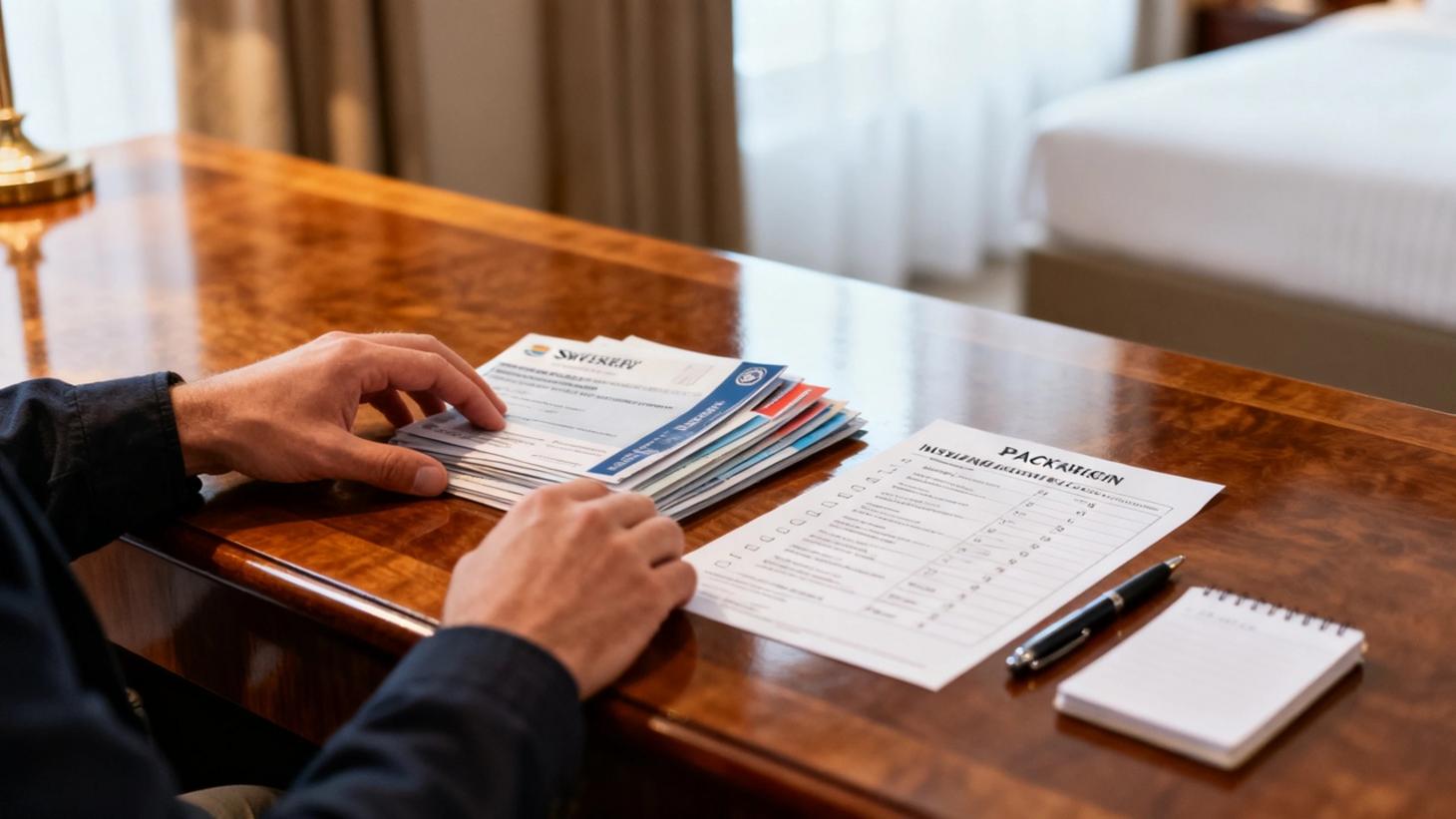
Switzerland Travel Advisory — Safety, Visa, Entry (2026)
Quick Answer
Switzerland is classified as a low-risk destination with no major travel warnings for 2026. U.S., Canadian, U.K., Australian, and New Zealand citizens can enter visa-free for up to 90 days within a 180-day period under the Schengen Agreement. Crime rates remain low, and the country maintains excellent infrastructure, making it one of the most secure destinations in Europe.
What You Will Find in This Guide
Visa and Entry Requirements for Switzerland
Switzerland is part of the Schengen Area but not a member of the European Union. Citizens of the United States, Canada, United Kingdom, Australia, and New Zealand can enter without a visa for stays up to 90 days within any 180-day period. Your passport must be valid for at least three months beyond your planned departure date from the Schengen zone.
You do not need to show proof of onward travel or accommodation at immigration, but border officials may ask for evidence. Carry a copy of your hotel bookings or a return flight confirmation just in case. Most visitors clear immigration at Zurich Airport or Geneva Airport within 10 to 15 minutes during off-peak hours.
If you plan to stay longer than 90 days, you must apply for a national visa or residence permit through the Swiss embassy in your home country before you travel. Processing times range from 8 to 12 weeks, so apply early. Work visas require a job offer from a Swiss employer and proof of specialized skills.
The ch country code for switzerland is +41, which you’ll use if you need to contact embassies or hotels from abroad. Switzerland’s official country abbreviation is CH, derived from Confoederatio Helvetica, the Latin name for the Swiss Confederation.
How Safe Is Switzerland in 2026
Switzerland consistently ranks among the top 10 safest countries in the world. Violent crime is rare, and petty crime like pickpocketing occurs mainly in tourist-heavy areas such as Zurich’s Hauptbahnhof or Geneva’s waterfront. The overall crime rate is 40 percent lower than the European average, according to Swiss Federal Police statistics.
Terrorism risk remains low. Switzerland has not experienced a major terrorist attack in recent history, and security measures at airports, train stations, and public events are discreet but effective. The Swiss government maintains a national threat level system, and as of early 2026, the country is at the lowest alert level.
Natural hazards pose a greater risk than crime, especially in alpine regions. Avalanches occur between December and April, and hikers should check the Swiss Federal Institute for Snow and Avalanche Research (SLF) before heading into the mountains. Weather conditions can change rapidly above 2,000 meters, so carry extra layers and download the MeteoSwiss app for real-time forecasts.
Health risks are minimal. Tap water is safe to drink everywhere, and Switzerland has one of the most advanced healthcare systems in the world. You won’t encounter tropical diseases, and vaccination requirements only apply if you’re arriving from specific countries with yellow fever risk.
Emergency Numbers You Should Know
-
- Police: 117
-
- Ambulance: 144
-
- Fire: 118
-
- General emergency (from mobile): 112
-
- Swiss Air Rescue (Rega): 1414
Health Insurance and Medical Requirements
Switzerland does not require proof of health insurance for short-term tourists, but you should carry comprehensive travel insurance. Medical care is excellent but extremely expensive. A single visit to a hospital emergency room can cost $500 to $800, and an overnight stay easily exceeds $2,000.
If you hold a European Health Insurance Card (EHIC), it covers emergency treatment in Switzerland under the same terms as EU countries. U.S. travelers should verify that their travel insurance includes medical evacuation and repatriation, as standard policies often exclude adventure sports like skiing or paragliding.
Pharmacies are well-stocked and staffed by knowledgeable professionals who speak English. You can buy most over-the-counter medications without a prescription, but bring a sufficient supply of any prescription drugs you need. Carry a copy of your prescription and a doctor’s letter if you’re traveling with controlled substances.
Switzerland does not require COVID-19 vaccination or testing for entry as of 2026. Health protocols can change, so check the Swiss Federal Office of Public Health website one week before departure.
Customs and Import Regulations
Switzerland allows duty-free import of personal items, 200 cigarettes or 250 grams of tobacco, one liter of spirits over 18 percent alcohol, and goods worth up to CHF 300. If you exceed these limits, declare them at the red customs channel. Fines for non-declaration start at CHF 200.
You cannot bring meat, dairy products, or fresh produce from outside the EU. This includes items like sandwiches, fresh fruit, or cheese. The only exception is infant formula and special dietary food for medical reasons. Swiss customs officials conduct random checks, and penalties can include confiscation and fines up to CHF 5,000.
If you plan to buy Swiss made watches or luxury goods and export them, ask the retailer about VAT refunds. Switzerland’s standard VAT rate is 8.1 percent, and you can reclaim it on purchases over CHF 300 if you’re leaving the Schengen Area. Keep receipts and get your refund form stamped at the airport before departure.
Travelers entering Switzerland from the EU face the same rules, but if you’re driving across the border, you may encounter spot checks. Always carry your passport, even on day trips to neighboring countries.
Top Things to Do in Switzerland
Switzerland offers a mix of urban culture, alpine adventure, and historic charm. Your itinerary will depend on the season and your interests, but these destinations and activities consistently rank as visitor favorites.
Things to Do in Zurich Switzerland
Zurich combines medieval architecture with a thriving financial district. Walk along Bahnhofstrasse for high-end shopping, visit the Swiss National Museum to understand the country’s history, and take a boat ride on Lake Zurich during summer months. The Old Town (Altstadt) features narrow cobblestone streets, guild houses, and the twin towers of Grossmünster church.
For a local experience, swim in the Limmat River at one of the public bathhouses like Flussbad Oberer Letten. Entry costs around $8, and you’ll find locals swimming year-round. Zurich also has a vibrant food scene, with over 2,000 restaurants representing 80 cuisines.
Things to Do in Geneva Switzerland
Geneva sits on the shores of Lake Geneva with views of Mont Blanc on clear days. The Jet d’Eau fountain shoots water 140 meters into the air and serves as the city’s most recognizable landmark. Visit the Palais des Nations for guided tours of the United Nations headquarters, explore the International Red Cross and Red Crescent Museum, or stroll through the Old Town to see St. Pierre Cathedral.
Geneva is smaller than Zurich but more international. Over 40 percent of residents are foreign nationals, and English is widely spoken. The city also serves as a base for day trips to the Lavaux vineyards, Montreux, and the French Alps.
Alpine Activities and Mountain Excursions
The Swiss Alps attract visitors year-round. In winter, ski resorts like Zermatt, Verbier, and St. Moritz offer world-class slopes with lift passes ranging from $70 to $100 per day. In summer, hiking trails open from June through September, and many cable cars operate for sightseers who prefer not to hike.
Jungfraujoch, known as the Top of Europe, reaches 3,454 meters and offers views of the Aletsch Glacier. The train ride from Interlaken costs around $220 round trip, but you can save 25 percent with a Swiss Travel Pass. The journey takes 2.5 hours each way and includes stops at Kleine Scheidegg and Eigergletscher.
For less crowded alternatives, consider Pilatus near Lucerne or Schilthorn above Mürren. Both offer dramatic views without the tour group crowds.
Weather and Seasonal Considerations
Weather for the Alps varies dramatically by altitude and season. Lowland cities like Zurich and Geneva experience temperate climates with warm summers and mild winters. Average temperatures in Zurich range from 32°F in January to 77°F in July. Geneva tends to be slightly warmer due to its southern location.
Mountain weather changes rapidly. A sunny morning at 2,500 meters can turn into snow by afternoon, even in July. Always check MeteoSwiss forecasts before heading into alpine areas, and carry waterproof layers regardless of the season. The best months for hiking are July and August when most trails are snow-free.
Winter sports season runs from early December through late March in most resorts, though high-altitude areas like Zermatt and Saas-Fee offer year-round skiing on glaciers. Spring (April to May) and autumn (September to October) are shoulder seasons with fewer crowds and lower hotel prices, but expect limited services in mountain villages.
If you’re visiting in winter, daylight hours are short. Sunset occurs around 4:30 PM in December, so plan outdoor activities accordingly. Summer days are long, with sunset after 9 PM in June, giving you plenty of time to explore.
Getting Around Switzerland
Switzerland operates one of the most efficient public transport systems in the world. Trains, buses, trams, and boats run on coordinated schedules with connections timed to the minute. The Swiss Federal Railways (SBB) network covers 3,200 kilometers and connects every major city.
A Swiss Travel Pass offers unlimited travel on trains, buses, and boats, plus free entry to over 500 museums. Passes cost around $270 for three consecutive days in second class or $430 for first class. If you plan to visit multiple cities and mountain regions, the pass pays for itself quickly.
Zurich to Geneva takes 2 hours and 45 minutes by direct train, with departures every hour. Zurich to Lucerne is 45 minutes, and Geneva to Montreux is 30 minutes. All trains offer power outlets, free WiFi, and quiet zones in first class.
If you’re driving, rent a car only if you plan to explore remote valleys or villages. Parking in cities costs $3 to $5 per hour, and highway vignettes cost CHF 40 per year. Speed limits are strictly enforced with automatic cameras, and fines start at CHF 120.
Public transport runs on time 92 percent of the time according to SBB statistics. Download the SBB Mobile app to buy tickets, check live departures, and receive delay notifications. The app works in English and accepts international credit cards.
What Time Is in Zurich Switzerland
Switzerland operates on Central European Time (CET), which is UTC+1 in winter and UTC+2 during daylight saving time from late March to late October. Zurich is 6 hours ahead of New York, 9 hours ahead of Los Angeles, and 1 hour behind Athens. Most digital devices adjust automatically, but double-check your alarm clock if you have early flights or train connections.
Pros and Cons of Visiting Switzerland
The Pros
-
- Exceptionally low crime rates and high personal safety even in major cities
-
- World-class public transport that runs on time and connects every corner of the country
-
- Stunning alpine scenery accessible year-round with excellent infrastructure
-
- High English proficiency among locals, especially in tourism and business sectors
-
- Clean, reliable tap water and excellent public facilities including restrooms and WiFi
-
- Efficient visa-free entry for most Western passport holders with minimal bureaucracy
The Cons
-
- One of the most expensive destinations in Europe with daily costs often exceeding $150 per person
-
- Limited nightlife compared to other European capitals, with most venues closing by midnight
-
- Shops and restaurants close early on weekends, especially in smaller towns
-
- Language barriers exist in rural areas where Swiss German, French, or Italian dominate
-
- Weather in the Alps can be unpredictable and limit outdoor activities without notice
Frequently Asked Questions
Do I need a visa to visit Switzerland in 2026?
Citizens from the United States, Canada, United Kingdom, Australia, New Zealand, and most European countries can enter Switzerland without a visa for stays up to 90 days within a 180-day period. Your passport must be valid for three months beyond your departure date. If you plan to work or study, you need to apply for the appropriate visa through a Swiss embassy before arrival.
Is Switzerland part of the European Union?
No, Switzerland is not a member of the European Union, but it belongs to the Schengen Area, which allows passport-free travel between 27 European countries. Switzerland has bilateral agreements with the EU that cover trade, movement, and other areas. The country uses the Swiss franc (CHF) rather than the euro, though many tourist businesses accept euros at unfavorable exchange rates.
How much does it cost to visit Switzerland for one week?
Budget travelers can expect to spend $100 to $150 per day including hostel accommodation, public transport, supermarket food, and limited activities. Mid-range travelers typically spend $200 to $300 per day with hotel stays, restaurant meals, and museum visits. Luxury travelers often exceed $500 per day. A seven-day Swiss Travel Pass costs around $400 and covers most transport costs.
What is the best time to visit Switzerland?
Summer (June to August) offers the best weather for hiking and sightseeing but attracts the most tourists and highest prices. Winter (December to March) is ideal for skiing and winter sports. Spring (April to May) and autumn (September to October) provide fewer crowds, lower prices, and pleasant weather in lowland areas, though mountain passes may still be closed in spring.
Can I drink tap water in Switzerland?
Yes, tap water in Switzerland is safe to drink and meets the highest quality standards in Europe. Most cities also have public fountains with free drinking water marked as trinkbar or potable. You can refill water bottles anywhere and save money by avoiding bottled water, which costs $3 to $5 in shops. Mountain streams are generally safe but check for livestock grazing upstream.
Final Thoughts on Switzerland Travel Advisory
Switzerland remains an exceptionally safe and well-organized destination for English-speaking travelers in 2026. The current Switzerland travel advisory shows no significant risks, and entry requirements are simple for most Western passport holders. Whether you’re planning to explore things to do in Zurich Switzerland, discover alpine villages, or simply enjoy Swiss efficiency and natural beauty, you’ll find this country accommodating and secure. Check official government travel advisories one week before departure, carry adequate travel insurance, and book accommodation early during peak seasons. For more detailed guides on specific Swiss cities and regions, visit our Switzerland destination guides for up-to-date local insights.
