

Switzerland offers more than alpine postcards and luxury watches. This country delivers glacier hikes, medieval old towns, efficient rail networks, and some of Europe’s most dramatic mountain scenery. Whether you are planning a short visit or preparing to relocate, knowing what things to do in Switzerland can help you build a realistic itinerary that goes beyond the usual tourist checklist. This guide covers the essential experiences, transport options, honest pricing in CHF and dollars, and practical advice for English speakers exploring Switzerland in 2026.
You will find recommendations for major cities like Zurich and Geneva, outdoor adventures in the Swiss Alps, cultural highlights, and tips on navigating the country’s transport system. The focus is on helping you plan efficiently and make informed decisions about where to spend your time and money.
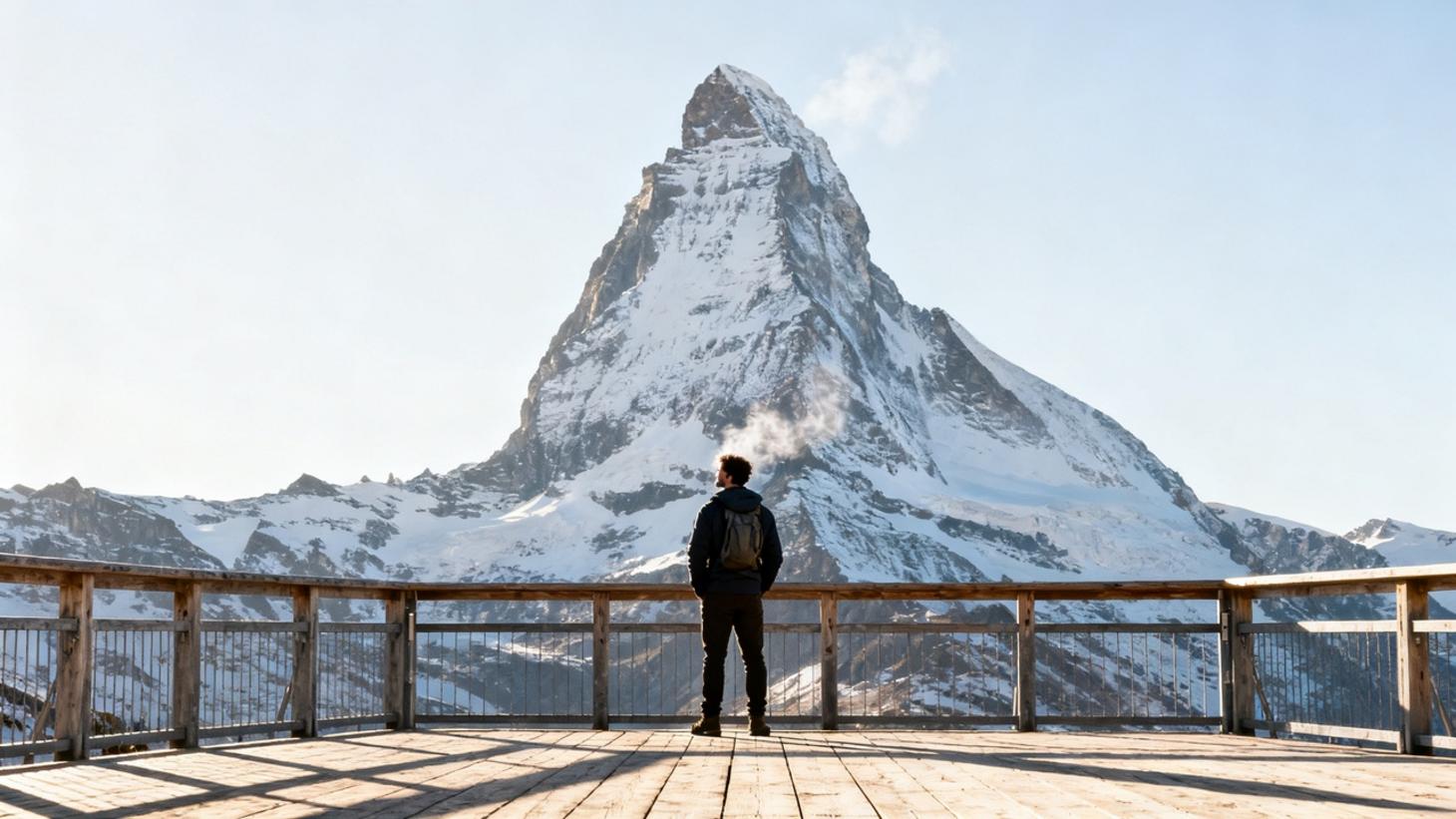
Switzerland Travel Guide — Everything You Need (2026)
Quick Answer
Switzerland offers world-class mountain scenery, efficient public transport, and diverse experiences from Zurich’s urban culture to Geneva’s international atmosphere and the outdoor adventures of the Swiss Alps. A Swiss Travel Pass costs around CHF 272 ($310) for three consecutive days and covers most trains, boats, and mountain railways. The country uses the CH country code for Switzerland, and English is widely spoken in cities and tourist areas.
What You Will Find in This Guide
Understanding Switzerland as a Destination
Switzerland sits in the heart of Europe, bordered by Germany, France, Italy, Austria, and Liechtenstein. The country covers 41,285 square kilometers and has a population of around 8.7 million people spread across 26 cantons. Four official languages are spoken: German, French, Italian, and Romansh, though English is common in urban centers and tourist zones.
The CH country code for Switzerland comes from “Confoederatio Helvetica,” the Latin name for the Swiss Confederation. This code appears on vehicle registration plates, internet domains, and international documentation.
Switzerland operates outside the European Union but within the Schengen Area. This means border checks are minimal when arriving from most European countries, but the Swiss franc (CHF) remains the official currency. Credit cards are widely accepted, though smaller shops and mountain huts may prefer cash.
Climate and Weather Patterns
The weather for the Alps varies significantly by altitude and season. Zurich averages 8°C in winter and 18°C in summer. Geneva experiences similar temperatures due to its lakeside location. Mountain regions like Zermatt and St. Moritz see snow from November through April, with temperatures dropping well below freezing.
Summer months from June to September offer the most reliable hiking weather, with daytime temperatures in the mountains ranging from 10°C to 20°C. Spring and autumn bring unpredictable conditions, particularly above 2,000 meters. Always check current forecasts before heading into alpine areas.
Time Zone and Current Time
What time is in Zurich Switzerland depends on the season. The country follows Central European Time (CET), which is UTC+1 in winter and Central European Summer Time (CEST), UTC+2 from late March to late October. Zurich, Geneva, and all Swiss cities use the same time zone.
Things to Do in Zurich Switzerland
Zurich is Switzerland’s largest city with a population of around 434,000 in the city proper and 1.5 million in the metro area. It functions as the country’s financial center and offers a mix of old town charm, lakeside parks, world-class museums, and a surprisingly active nightlife scene.
The city sits at the northern tip of Lake Zurich, with the Limmat River running through the center. Most attractions are within walking distance or easily reached by tram.
Old Town and Historic Center
Zurich’s Altstadt spans both sides of the Limmat River. Narrow medieval streets lead to guild houses, churches, and small shops. The Grossmünster church offers tower access for CHF 5 ($5.70) with views over the old town rooftops. Nearby, the Fraumünster church features stained glass windows designed by Marc Chagall.
Bahnhofstrasse runs from the main train station to the lake, lined with high-end boutiques and department stores. Window shopping is free, but expect premium prices on everything from watches to chocolate.
Museums and Cultural Sites
The Kunsthaus Zurich holds one of Switzerland’s most important art collections, including works by Monet, Picasso, and Swiss artists like Alberto Giacometti. Entry costs CHF 23 ($26) for adults. The Swiss National Museum, located near the main station, covers Swiss cultural history from prehistoric times to the present with admission at CHF 10 ($11.40).
For a different perspective, the FIFA World Football Museum costs CHF 24 ($27.40) and appeals to football fans with interactive exhibits and memorabilia from World Cup history.
Lake Zurich and Outdoor Activities
The lakefront promenade stretches for several kilometers and provides free walking and cycling paths. Public swimming areas open in summer, including Strandbad Mythenquai with entry around CHF 8 ($9.10). Boat tours on the lake start from CHF 9 ($10.30) for a short trip and go up to CHF 32 ($36.50) for a full round trip to Rapperswil.
Uetliberg mountain sits just outside the city and reaches 871 meters elevation. The train from Zurich main station takes 25 minutes and costs around CHF 13 ($14.80) return. The summit offers panoramic views of the city, lake, and distant Alps.
Nightlife and Dining
Zurich’s nightlife centers around the Langstrasse district in Kreis 4 and 5, where you will find bars, clubs, and international restaurants. Expect to pay CHF 8 to 12 ($9.10 to $13.70) for a beer and CHF 15 to 18 ($17.10 to $20.50) for a cocktail. Entry to clubs ranges from free to CHF 20 ($22.80) depending on the venue and night.
Traditional Swiss restaurants serve fondue starting around CHF 28 ($32) per person and raclette from CHF 26 ($29.70). Mid-range dining for a main course costs CHF 22 to 35 ($25.10 to $40).
Things to Do in Geneva Switzerland
Geneva sits at the southwestern tip of Lake Geneva, right on the French border. The city has a population of around 203,000 and serves as home to numerous international organizations including the United Nations European headquarters and the Red Cross. French is the main language, though English is common in hotels and tourist areas.
The lakefront location and proximity to both the Alps and Jura mountains make Geneva a practical base for exploring western Switzerland and neighboring France.
Jet d’Eau and Lakefront
The Jet d’Eau shoots water 140 meters into the air and operates daily from March to October, weather permitting. It is visible from most lakefront areas and is free to view. The lakefront promenade connects parks, monuments, and the Bains des Pâquis, a public swimming area open year-round with entry around CHF 2 ($2.30) in summer.
Lake Geneva boat tours depart from several piers, with options ranging from 45-minute city tours at CHF 16 ($18.30) to full-day excursions to Lausanne and Montreux.
Old Town and St. Pierre Cathedral
Geneva’s old town sits on a hill above the lake. St. Pierre Cathedral offers tower access for CHF 5 ($5.70) with views over the city and lake. The archaeological site beneath the cathedral reveals layers of Christian and Roman history with entry at CHF 8 ($9.10).
The old town streets contain antique shops, cafes, and the Maison Tavel, Geneva’s oldest house now operating as a free museum of urban history.
International Geneva
The Palais des Nations offers guided tours of the United Nations headquarters for CHF 15 ($17.10) when booked in advance. You must bring a passport for security clearance. Nearby, the International Red Cross and Red Crescent Museum covers humanitarian history and current challenges with admission at CHF 15 ($17.10).
The area around Place des Nations features numerous international organization headquarters and the famous Broken Chair sculpture, a symbol of opposition to landmines.
CERN and Science Tourism
The European Organization for Nuclear Research (CERN) operates just outside Geneva and offers free guided tours of their physics research facilities, including exhibitions about the Large Hadron Collider. Tours must be booked well in advance through their website. The permanent exhibition areas are open without booking and explain particle physics research in accessible terms.
Day Trips from Geneva
Geneva’s location makes several destinations accessible for day trips. Chamonix in France sits 88 kilometers away, reachable in 90 minutes by bus or car. Lausanne is 62 kilometers northeast along the lake, a 35-minute train ride with departures every 15 to 30 minutes. Montreux lies further east at 87 kilometers, around 70 minutes by train.
The Lavaux wine terraces between Lausanne and Montreux are a UNESCO World Heritage site with hiking trails through vineyards overlooking the lake. Regional trains provide access to several starting points.
Swiss Alps and Mountain Experiences
The Swiss Alps cover roughly 60 percent of Switzerland’s total area and contain some of Europe’s highest peaks, including the Matterhorn at 4,478 meters and Monte Rosa at 4,634 meters. The mountain regions offer year-round activities from skiing and snowboarding in winter to hiking and mountaineering in summer.
Mountain weather can change rapidly regardless of season. Bring layers, waterproof gear, and check conditions before setting out on any alpine activity.
Zermatt and the Matterhorn
Zermatt is a car-free mountain village at 1,620 meters elevation with a permanent population around 5,800. The village serves as the base for accessing the Matterhorn and surrounding peaks. The Gornergrat railway climbs to 3,089 meters and provides views of 29 peaks over 4,000 meters. A return ticket costs CHF 98 ($112) in summer.
The Klein Matterhorn cable car reaches 3,883 meters, making it one of Europe’s highest cable car stations. Return fare is CHF 120 ($137). Both routes offer spectacular mountain scenery, though altitude can cause headaches and fatigue if you ascend too quickly.
Zermatt has over 400 kilometers of hiking trails marked by difficulty. The five-lakes walk (5-Seenweg) takes around 2.5 hours and passes alpine lakes with Matterhorn reflections.
Jungfraujoch and the Bernese Oberland
The Jungfraujoch railway reaches 3,454 meters and bills itself as the “Top of Europe.” The station includes viewing platforms, an ice palace, and restaurants. Return tickets from Interlaken Ost cost CHF 235 ($268) in summer, making it one of Switzerland’s most expensive tourist attractions.
Alternative routes in the region include Schilthorn at 2,970 meters (return from Mürren CHF 97 / $111) and First above Grindelwald (return CHF 62 / $71). Each offers different perspectives on the Eiger, Mönch, and Jungfrau peaks.
The Lauterbrunnen valley contains 72 waterfalls, including Staubbach Falls with a 297-meter drop. The valley provides free walking access and serves as a base for exploring the surrounding mountains.
Lucerne and Mount Pilatus
Lucerne sits on Lake Lucerne with a population around 82,000 and serves as a gateway to central Swiss mountain areas. The Chapel Bridge (Kapellbrücke) dates from the 14th century and contains painted panels depicting city history. The bridge is free to walk across and remains one of Switzerland’s most photographed landmarks.
Mount Pilatus reaches 2,128 meters and offers several access routes. The steepest cogwheel railway in the world climbs from Alpnachstad with gradients up to 48 percent. A golden round trip combining boat, cogwheel train, cable car, and bus back to Lucerne costs CHF 120 ($137) with a Half Fare Card.
St. Moritz and the Engadin Valley
St. Moritz sits at 1,856 meters in the Engadin valley and has hosted two Winter Olympics. The resort town attracts a wealthy international crowd, reflected in hotel and restaurant prices. Summer activities include hiking, mountain biking, and sailing on the alpine lakes.
The Glacier Express train connects St. Moritz to Zermatt in an 8-hour scenic journey crossing 291 bridges and 91 tunnels. Seat reservations are mandatory and cost CHF 49 ($56) in summer on top of the regular train fare, though Swiss Travel Pass holders travel free with just the reservation fee.
Via Ferrata and Alpine Adventures
Switzerland has over 65,000 kilometers of marked hiking trails maintained to high standards. Routes are marked with yellow signs for hiking paths, white-red-white for mountain trails, and white-blue-white for alpine routes requiring mountaineering skills.
Via ferrata routes combine hiking with climbing using fixed cables, ladders, and bridges. Popular routes include the Tälli via ferrata near Engelberg (grade K3, around 3 hours) and the Leukerbad Gemmi route (grade K2, 2 hours). Most require rental equipment costing CHF 30 to 40 ($34 to $46) per day if you do not have your own.
Guided glacier hikes operate in summer from locations including Grindelwald, Saas-Fee, and Zermatt. Prices start around CHF 90 ($103) per person for a half-day trip with equipment included.
Getting Around Switzerland
Switzerland operates one of the world’s most efficient and integrated public transport systems. The Swiss Federal Railways (SBB) manages the national train network with connections to regional buses, mountain railways, and lake boats.
Trains run with Swiss precision, meaning departure times are exact. A train leaving at 14:17 departs at that moment, not a minute later. Platform displays show real-time information, and delays are rare outside extreme weather events.
Swiss Travel Pass Options
The Swiss Travel Pass provides unlimited travel on the national rail network, most buses, boats, and trams in 90 cities. It includes many mountain railways and free entry to over 500 museums. Prices for second class in 2026:
-
- 3 consecutive days: CHF 272 ($310)
-
- 4 consecutive days: CHF 330 ($377)
-
- 8 consecutive days: CHF 477 ($545)
-
- 15 consecutive days: CHF 583 ($666)
-
- 1 month: CHF 664 ($759)
First class passes cost roughly 60 percent more. Youth passes (ages 16 to 25) receive a 15 percent discount. Children under 16 travel free when accompanied by a parent holding a Swiss Family Card.
Half Fare Card Alternative
The Half Fare Card costs CHF 120 ($137) for one month and reduces all tickets by 50 percent. This works better for travelers staying longer or taking fewer trips, as you only pay for routes you use. Compare the total cost of your planned journeys at half price against the Swiss Travel Pass price to determine which offers better value.
Regional Day Passes
If you are exploring one specific area, regional day passes often cost less than national options. The Tell-Pass covers central Switzerland including Lucerne for CHF 85 ($97) for two consecutive days. The Berner Oberland Regional Pass covers Interlaken, Grindelwald, and Lauterbrunnen for CHF 210 ($240) for three days.
Train Travel Tips
Reserve seats on popular routes during peak season, though reservations are not required on most domestic trains. Download the SBB Mobile app for real-time schedules, platform information, and mobile tickets. The app works in English and accepts international credit cards.
Luggage storage lockers at major stations cost CHF 8 to 12 ($9.10 to $13.70) per 24 hours. Long-distance trains have luggage racks at each end of carriages. Keep valuables with you.
Bus and Boat Connections
PostBus yellow buses serve mountain villages and rural areas not reached by trains. They integrate with train schedules, and most accept Swiss Travel Passes. Lake boats operate on Lake Geneva, Lake Zurich, Lake Lucerne, and several smaller lakes, with regular year-round schedules.
Travel Costs and Budgeting
Switzerland ranks among Europe’s most expensive countries for visitors. A realistic daily budget helps avoid surprises when bills arrive. These estimates assume you are traveling independently without tour packages.
Accommodation Costs
Budget accommodation in Switzerland means hostels or basic guesthouses. Dorm beds in cities cost CHF 40 to 60 ($46 to $69) per night. Private rooms in budget hotels start around CHF 120 ($137) for two people. Mid-range hotels charge CHF 180 to 280 ($206 to $320) for a double room.
Mountain areas and resort towns command higher prices, particularly in winter ski season and summer peak months. Booking ahead reduces costs, though last-minute deals rarely appear outside the shoulder seasons.
Food and Dining
Supermarket shopping offers the most economical eating option. Coop and Migros supermarkets have prepared sandwiches from CHF 5 to 8 ($5.70 to $9.10) and hot meals for CHF 8 to 12 ($9.10 to $13.70). A week of groceries for self-catering costs roughly CHF 70 to 90 ($80 to $103) per person.
Budget restaurants and takeaway meals range from CHF 15 to 20 ($17.10 to $22.80) for a main course. Mid-range restaurant dining costs CHF 25 to 40 ($28.50 to $46) per person for a main course with a drink. Traditional Swiss specialties like fondue or raclette add another CHF 5 to 10 ($5.70 to $11.40) to the bill.
Coffee costs CHF 4 to 5 ($4.60 to $5.70) at most cafes. Beer in bars runs CHF 7 to 10 ($8 to $11.40) depending on location and establishment type.
Activity and Entrance Fees
Museum entry ranges from CHF 10 to 25 ($11.40 to $28.50) for adults. Churches generally charge CHF 5 ($5.70) for tower access. Mountain railways represent the biggest expense, with popular routes costing CHF 60 to 120 ($69 to $137) return.
Skiing day passes cost CHF 60 to 85 ($69 to $97) in most resorts, with major destinations like Zermatt and Verbier charging towards the upper end. Equipment rental adds CHF 40 to 60 ($46 to $69) per day for skis or snowboard with boots.
Daily Budget Examples
Budget traveler: CHF 90 to 130 ($103 to $149) per day including hostel accommodation, supermarket meals, limited paid activities, and local transport with a travel pass.
Mid-range traveler: CHF 200 to 300 ($228 to $343) per day including modest hotel, mix of restaurant and supermarket meals, several paid attractions, and comprehensive transport.
Comfortable traveler: CHF 400 ($457) or more per day including quality hotels, regular restaurant dining, mountain railway trips, and activities without budget constraints.
Swiss Made Watches and Shopping
Switzerland produces around 30 million watches annually with exports valued at over CHF 22 billion ($25 billion). The “Swiss Made” label requires at least 60 percent of production costs to occur in Switzerland, with final assembly and inspection taking place in the country.
Swiss made watches span every price range from affordable Swatch models around CHF 60 ($69) to haute horlogerie pieces exceeding CHF 100,000 ($114,000). Major brands include Rolex, Omega, TAG Heuer, Longines, and Patek Philippe among dozens of manufacturers.
Where to Buy Watches
Official brand boutiques offer the full current collection but rarely discount prices. Authorized dealers stock multiple brands and may offer small reductions on certain models, typically 5 to 10 percent. Airport duty-free shops refund the 8.1 percent Swiss VAT on purchases for non-Swiss residents leaving the country.
Geneva, Zurich, and Lucerne have the highest concentration of watch retailers. Bahnhofstrasse in Zurich and Rue du Rhône in Geneva contain numerous high-end boutiques. Smaller towns often have one or two authorized dealers but less selection.
Watch Factory Tours
Several manufacturers operate museums and factory tours. The Omega Museum in Biel/Bienne offers guided visits explaining watchmaking history and techniques with entry around CHF 15 ($17.10). Longines Museum in Saint-Imier is free and displays vintage models alongside modern production.
The International Watch Museum in La Chaux-de-Fonds costs CHF 15 ($17.10) and covers global watchmaking history with over 4,500 pieces. The town itself is a UNESCO World Heritage site for its watchmaking urban planning.
Other Swiss Shopping
Swiss chocolate brands like Lindt, Läderach, and Sprüngli sell in shops throughout the country. Prices in Switzerland are often lower than export markets, though still premium compared to non-Swiss chocolate. Expect to pay CHF 3 to 6 ($3.40 to $6.90) per 100 grams for quality Swiss chocolate.
Swiss Army knives by Victorinox and Wenger range from CHF 20 ($23) for basic models to CHF 150 ($171) for multi-function versions. The Victorinox flagship store operates in Brunnen on Lake Lucerne with factory outlet prices.
Practical Tips for Visitors
A few practical considerations make travel in Switzerland smoother and help avoid common frustrations that catch first-time visitors.
Language and Communication
German is spoken in roughly 63 percent of Switzerland, French in 23 percent, Italian in 8 percent, and Romansh in less than 1 percent. English proficiency is high in cities, tourist areas, and among younger people. Most signs in train stations and airports appear in multiple languages including English.
Learning a few basic phrases in the local language of the region you are visiting shows respect and often receives a positive response, though English remains widely understood.
Tipping and Service Charges
Service charges are included in restaurant and hotel bills by law. Tipping is not required but rounding up the bill or adding 5 to 10 percent for exceptional service is common practice. Taxi drivers and hotel porters do not expect tips but appreciate small amounts.
Tap Water and Drinking Fountains
Swiss tap water meets some of the world’s highest quality standards and is safe to drink everywhere. Public fountains throughout cities and villages provide free drinking water unless marked “kein Trinkwasser” or “eau non potable.” Bring a refillable water bottle to save money and reduce plastic waste.
Switzerland Travel Advisory and Safety
Switzerland maintains low crime rates compared to most European countries. Standard precautions against pickpocketing apply in crowded tourist areas and public transport. Emergency services use 112 as the universal European emergency number, while 117 reaches police and 144 calls ambulance services.
Mountain safety requires proper preparation. Weather changes rapidly at altitude, and even marked trails can present hazards. Check the essential Switzerland travel tips before heading into alpine areas, and never hike alone without telling someone your route and expected return time.
The official Switzerland travel advisory from most governments typically lists the country as low-risk for travel, though mountain activities carry inherent risks that require appropriate preparation and equipment.
Electricity and Adapters
Switzerland uses Type J electrical outlets with three round pins in a triangular pattern. Voltage is 230V at 50Hz. Most Type C European plugs fit Swiss outlets, but Type J is unique to Switzerland and Liechtenstein. Bring an adapter if your devices use other plug types.
Mobile and Internet
Mobile coverage is excellent throughout inhabited areas and surprisingly good in mountain regions. Tourist SIM cards with data cost CHF 20 to 40 ($23 to $46) depending on data allowance. Most hotels, cafes, and public spaces offer WiFi, though free public WiFi is less common than in some other European countries.
Understanding Switzerland in Map of Europe
Looking at Switzerland in map of Europe reveals its central position and role as a crossroads between northern and southern European cultures. The country shares 1,935 kilometers of borders with five neighbors: Germany to the north (362 km), Austria to the east (158 km), Liechtenstein to the east (41 km), Italy to the south (698 km), and France to the west (525 km).
This central location makes Switzerland accessible from major European cities. Direct trains run from Paris (4 hours to Geneva), Milan (3.5 hours to Zurich), Munich (4 hours to Zurich), and Vienna (8 hours to Zurich). International flights arrive at Zurich Airport, Geneva Airport, and Basel-Mulhouse Airport serving the northern region.
The Alps form a natural barrier across the southern portion of the country, with several key mountain passes and tunnels providing north-south connections. The Gotthard Base Tunnel, opened in 2016, is the world’s longest railway tunnel at 57 kilometers and reduced Zurich-Milan travel time significantly.
Regional Differences
Switzerland’s regions reflect their proximity to neighboring countries. German-speaking areas around Zurich, Basel, and Bern show cultural influences from Germany and Austria. The French-speaking region around Geneva and Lausanne looks towards France. Ticino in the south brings Italian language and Mediterranean architectural styles.
These regional differences extend to cuisine, architecture, local customs, and even business hours. Shops in different regions may close for lunch at different times, and holiday traditions vary by canton.
Frequently Asked Questions
What is the best time to visit Switzerland?
Summer from June to September offers the most reliable weather for mountain hiking and sightseeing, with long daylight hours and most mountain facilities operating. December to March is ideal for winter sports, though major resorts get crowded during Christmas and February school holidays. May and October provide shoulder season advantages with fewer tourists and lower accommodation prices, though mountain weather becomes less predictable and some alpine facilities close.
Do I need a visa to visit Switzerland?
US, Canadian, UK, Australian, and New Zealand passport holders can enter Switzerland visa-free for stays up to 90 days within a 180-day period for tourism purposes. Switzerland participates in the Schengen Area agreement, so time spent in other Schengen countries counts toward this 90-day limit. Check current entry requirements before travel as rules occasionally change.
How much does a week in Switzerland cost?
A budget traveler can manage on CHF 630 to 910 ($720 to $1,040) per week staying in hostels, self-catering most meals, and limiting expensive mountain railways. Mid-range travelers should budget CHF 1,400 to 2,100 ($1,600 to $2,400) for comfortable hotels, regular restaurant meals, and several paid attractions. Comfortable travel without significant budget constraints requires CHF 2,800 ($3,200) or more per week.
Is Switzerland safe for tourists?
Switzerland has among the lowest crime rates in Europe, with violent crime extremely rare in tourist areas. Standard precautions against petty theft apply in crowded locations. Mountain activities present the main safety consideration, requiring proper equipment, weather awareness, and realistic assessment of your physical abilities. Emergency services respond quickly and effectively throughout the country.
Can I use euros in Switzerland?
Some tourist shops, hotels, and restaurants near borders accept euros, but you will receive change in Swiss francs at unfavorable exchange rates. ATMs are widespread and offer the best exchange rates for cash withdrawals. Credit and debit cards work everywhere except some small mountain huts and rural shops. Using Swiss francs avoids confusion and ensures you pay fair prices.
Final Thoughts on Visiting Switzerland
Switzerland delivers on its reputation for efficiency, natural beauty, and quality experiences, though you will pay premium prices for most activities and services. The country works best for travelers who plan ahead, understand the costs, and focus their time on areas that match their interests rather than trying to see everything in a short visit.
Whether you are drawn to the urban sophistication of Zurich and Geneva, the dramatic mountain scenery of the Alps, or the efficient transport connections that make exploration straightforward, Switzerland offers experiences that justify the expense. The things to do in Switzerland range from world-class museums and watchmaking heritage to alpine hiking and village exploration.
Start with clear priorities about what matters most to you, build a realistic budget that accounts for Switzerland’s high costs, and use the excellent transport system to move efficiently between destinations. With proper planning, Switzerland rewards visitors with memorable experiences backed by Swiss precision and quality standards.
