

You are wondering if Zurich is worth visiting, and the short answer depends entirely on what kind of traveler you are. Zurich sits on the northern edge of Lake Zurich at 408 meters above sea level, serving as Switzerland’s largest city with a population of around 440,000 in the city proper and over 1.5 million in the metro area. It delivers precision public transport, a genuinely beautiful Old Town, world-class museums, and access to alpine day trips within an hour. But it also costs more than most European capitals, moves at a calm rather than electric pace, and closes early compared to London or Barcelona. This guide gives you an honest breakdown of what to expect, what it costs, and whether your time and money are better spent here or somewhere else in Switzerland.
Is Zurich Worth Visiting?
Quick Answer
Zurich is worth visiting if you value efficiency, cleanliness, culture, and access to nature over nightlife and budget travel. Expect to spend $200 to $300 per day as a mid-range traveler including accommodation, meals, transport, and one or two paid attractions. The city works best as a 2 to 3 day stop combined with other Swiss destinations like Lucerne or Interlaken rather than a week-long standalone trip.
What You Will Find in This Guide
Who Should Visit Zurich
Zurich works best for travelers who prioritize quality over quantity and appreciate understated rather than dramatic experiences. You will enjoy Zurich if you like walking through historic quarters, sitting in cafes along the river, visiting art museums, and using a city as a launchpad for alpine excursions.
First-time visitors to Switzerland often include Zurich because it hosts the country’s largest airport and serves as a natural entry or exit point. The airport sits just 10 kilometers from the city center with direct trains every 10 to 15 minutes taking 10 to 13 minutes to reach Zurich Hauptbahnhof, making it one of the easiest airport-to-city connections in Europe.
Business travelers pass through regularly since Zurich operates as Switzerland’s financial center with major banks, insurance firms, and tech companies headquartered here. The city offers efficient infrastructure, punctual public transport, and English spoken widely in service industries.
Families with children appreciate the safety, cleanliness, and compact layout. You can walk most of the central attractions or use trams without needing a car or dealing with chaotic traffic.
Art and culture enthusiasts find genuine substance here. The Kunsthaus Zurich houses one of Switzerland’s most important art collections with works from Munch, Monet, Picasso, and Giacometti. The Rietberg Museum focuses on non-European art in a villa setting surrounded by parkland.
Zurich does not work as well for budget backpackers, party-focused travelers, or anyone expecting Mediterranean warmth and spontaneity. The city feels reserved, orderly, and expensive compared to southern European alternatives.
What Zurich Actually Offers
Zurich delivers a clean, efficient, historically rich city with a high standard of living and access to nature within minutes of the urban core. The Limmat River runs through the center splitting the Old Town into two walkable sides connected by multiple bridges.
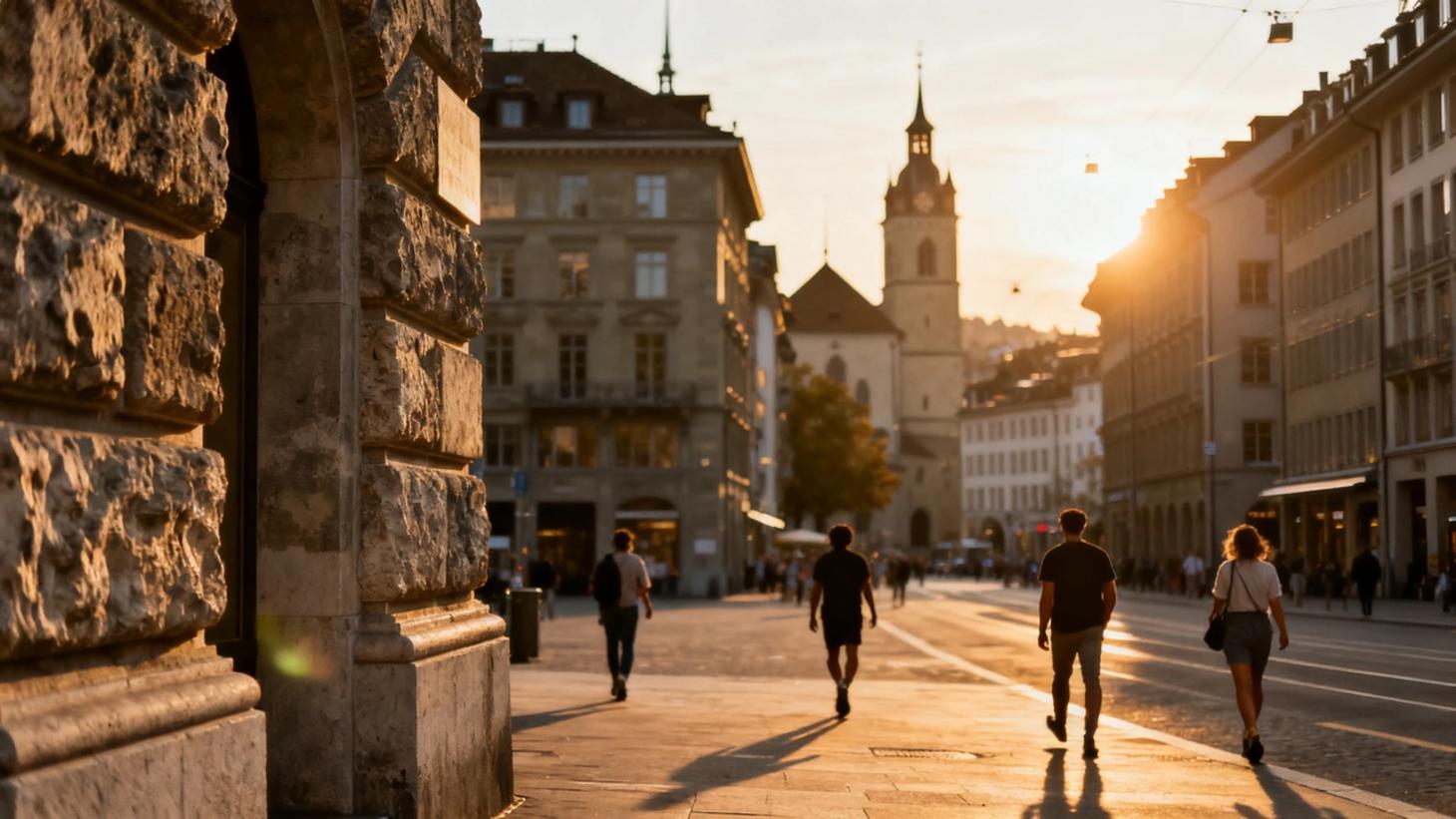
The Altstadt, or Old Town, spans both banks with medieval guild houses, narrow lanes, church spires, and small squares. Grossmünster, a Romanesque Protestant church with twin towers, serves as the city’s most recognizable landmark. You can climb the Karlsturm tower for views over the red rooftops and lake for 5 CHF, roughly $5.50.
Bahnhofstrasse runs for 1.4 kilometers from Zurich Hauptbahnhof to Lake Zurich and ranks among the world’s most expensive shopping streets. You will find luxury brands, watch boutiques, and department stores. Most visitors walk it once for the experience rather than shopping.
Lake Zurich stretches 40 kilometers southeast from the city with public swimming areas, boat services, and lakeside promenades. In summer locals swim directly in the lake at designated areas called badis, some with wooden platforms extending into the water. Entry costs 7 to 10 CHF, around $8 to $11.
Parks and green spaces appear throughout the city. Lindenhof offers a hilltop square with views over the Old Town and river. Rieterpark provides expansive lawns and the Rietberg Museum. Zurich gives you urban density mixed with immediate access to calm outdoor spaces.
Nightlife exists but finishes early by international standards. Most bars close by 2 a.m. on weekends and earlier on weekdays. Langstrasse in Kreis 4 and 5 offers the liveliest concentration of bars, clubs, and late-night spots, though it remains mild compared to Berlin or Amsterdam.
Cost Breakdown for Visitors
Zurich consistently ranks among the world’s most expensive cities and you will feel that immediately in restaurant prices, accommodation rates, and even coffee. Budget carefully or accept that you will spend more here than almost anywhere else in Europe.
Accommodation Costs
Hostels start around $50 to $70 per night for a dorm bed in central locations. Private rooms in hostels range from $120 to $180. Mid-range hotels cost $180 to $300 per night for a standard double room. Luxury hotels easily exceed $400 to $600 per night.
Staying slightly outside the center in neighborhoods like Oerlikon or Altstetten reduces costs by 20 to 30 percent and still offers direct tram or train access to the center within 15 minutes.
Food and Drink Costs
A simple breakfast at a cafe costs $12 to $18 for coffee and a pastry. Lunch at a casual restaurant runs $20 to $30 for a main dish. Dinner at a mid-range restaurant costs $35 to $55 per person excluding drinks. A beer in a bar costs $7 to $9. A coffee runs $4.50 to $6.
Supermarkets like Coop and Migros offer cheaper options. A sandwich costs $6 to $9. A ready-made salad runs $8 to $12. Grocery shopping and picnicking in parks saves significant money if you are staying multiple days.
Transport Costs
Zurich’s public transport operates on a zone system. A single ticket for Zone 110, covering the city center, costs 4.40 CHF, about $5, and remains valid for one hour. A day pass costs 13.60 CHF, roughly $15. Visitors staying overnight receive a free Zurich Card from most hotels covering public transport during their stay.
Taxis cost significantly more than public transport. A short ride within the center runs $25 to $35. Uber operates but remains expensive compared to other European cities.
Attraction Costs
Many churches and public spaces remain free. Museums typically charge $12 to $20 for adults. The Kunsthaus Zurich costs 23 CHF, around $25. The Swiss National Museum charges 10 CHF, about $11. Climbing the Grossmünster tower costs 5 CHF, roughly $5.50.
Boat rides on Lake Zurich vary by route and duration. A short 90-minute round trip costs around 30 CHF, approximately $33. Longer scenic cruises cost more.
Daily Budget Estimates
Budget travelers spending $80 to $120 per day need to stay in hostels, cook most meals, limit paid attractions, and walk extensively. Mid-range travelers should budget $200 to $300 per day including a decent hotel, eating out twice daily, using public transport freely, and visiting museums. Luxury travelers easily spend $500 to $800 per day or more.
Things to Do in Zurich
Zurich offers enough activities to fill 2 to 3 full days without feeling rushed. Things to do in Zurich range from cultural attractions and historical walks to lakeside relaxation and shopping.
Walk the Old Town
Start at Zurich Hauptbahnhof and walk down Bahnhofstrasse toward the lake. Turn left into the Old Town and wander the narrow streets around Niederdorf on the east bank or Lindenhof on the west bank. The walk costs nothing and takes 2 to 3 hours at a relaxed pace.
Visit Grossmünster
This twin-towered Protestant church dates from the 12th century and played a central role in the Swiss Reformation. Entry to the church remains free. Climbing the Karlsturm tower costs 5 CHF and rewards you with panoramic views over the Old Town and lake.
Explore the Kunsthaus Zurich
The Kunsthaus holds one of Switzerland’s largest art collections with works spanning medieval to contemporary periods. Alberto Giacometti, Edvard Munch, Claude Monet, and Pablo Picasso all feature prominently. Entry costs 23 CHF for adults. The museum closes on Mondays.
Swim in Lake Zurich
During summer months from May to September locals swim in the lake at public badis, many with wooden platforms, changing rooms, and small cafes. Seebad Enge and Strandbad Mythenquai rank among the most popular. Entry costs 7 to 10 CHF.
Visit the Swiss National Museum
Located next to Zurich Hauptbahnhof in a castle-like building, the museum covers Swiss cultural history from prehistoric times to the present. Exhibits include medieval artifacts, traditional costumes, and historical rooms. Entry costs 10 CHF for adults.
Take a Boat Ride on Lake Zurich
Zurich Lake Navigation Company operates regular boat services from spring through autumn. A 90-minute round trip from Bürkliplatz offers views of the city skyline, lakeside villages, and distant Alps. Tickets cost around 30 CHF. Longer routes travel to towns like Rapperswil.
Walk Up Uetliberg
Uetliberg rises 871 meters above sea level and sits just outside the city limits. You can hike up in around 90 minutes or take the train from Zurich Hauptbahnhof to Uetliberg station in 25 minutes. The summit provides views over Zurich, the lake, and the Alps on clear days.
Browse Zurich West
This former industrial area transformed into a creative district with galleries, restaurants, and converted warehouses. Freitag Tower, built from stacked shipping containers, sells bags made from recycled truck tarps and offers rooftop views.
Getting Around Zurich
Zurich operates one of Europe’s most efficient and punctual public transport systems covering trams, buses, trains, boats, and even funiculars. You rarely wait more than 5 to 10 minutes for the next connection.
Trams form the backbone of city transport with 15 lines crisscrossing the center and reaching most neighborhoods. Tram stops display digital boards showing arrival times to the minute. Announcements play in German but stops are clearly marked and easy to follow.
Buses complement trams serving areas without tram lines. Trolleybuses, powered by overhead electric wires, run silently through residential districts.
S-Bahn trains connect Zurich Hauptbahnhof with suburbs, the airport, and nearby towns like Winterthur. Trains leave every 10 to 30 minutes depending on the line.
Tickets work on a zone and time basis. Purchase tickets at machines at every tram stop and train station. Machines accept coins, bills, and credit cards. English language options appear on all screens.
Most visitors need Zone 110 covering central Zurich. Validate your ticket before boarding though random inspections occur and fines for traveling without a valid ticket cost 100 CHF, around $110.
Walking works well in the compact Old Town and central areas. Distances remain short and streets feel safe day and night. The city also maintains an extensive network of bike lanes and offers public bike rental through Zurich Rent a Bike.
Taxis and ride-sharing apps like Uber exist but cost significantly more than public transport and offer little time advantage given how efficiently trams and trains move through the city.
Day Trips from Zurich
Zurich serves as an excellent base for exploring other parts of Switzerland with several major destinations reachable within one to two hours by train. The Swiss Federal Railways website provides accurate schedules and ticket prices.
Zurich to Lucerne
The Zurich to Lucerne train takes 45 to 50 minutes with direct connections leaving every 30 minutes throughout the day. Standard second-class tickets cost around 25 to 30 CHF one way, approximately $28 to $33. Lucerne offers a more picturesque Old Town, the Chapel Bridge, Lake Lucerne, and closer access to mountains like Pilatus and Rigi.
Zurich to Rhine Falls
Rhine Falls near Schaffhausen ranks as Europe’s largest waterfall by volume. Trains from Zurich Hauptbahnhof to Schaffhausen take around 45 minutes, then a short bus ride or 20-minute walk reaches the falls. Round-trip tickets cost approximately 35 to 40 CHF, around $39 to $44.
Zurich to Interlaken
Trains from Zurich to Interlaken Ost take around 2 hours with connections every hour. Tickets cost 60 to 70 CHF one way, roughly $66 to $77. Interlaken sits between Lake Thun and Lake Brienz surrounded by peaks including Eiger, Mönch, and Jungfrau, making it a strong base for alpine activities.
Zurich to Appenzell
This traditional village in northeastern Switzerland preserves historic painted houses, rolling green hills, and local customs. The journey takes around 90 minutes by train with one change. Round-trip tickets cost around 60 CHF, approximately $66.
Zurich to Milan
The Zurich to Milan train runs through the Gotthard Base Tunnel taking around 3 hours and 15 minutes. Direct EuroCity trains leave multiple times daily. Tickets cost 50 to 90 CHF one way depending on booking time, roughly $55 to $100. Milan offers fashion, art, and Italian food at lower prices than Switzerland.
Zurich vs Other Swiss Cities
Switzerland offers several excellent cities and deciding whether Zurich is worth visiting often depends on how it compares to alternatives like Lucerne, Bern, Geneva, or Basel.
Zurich vs Lucerne
Lucerne delivers more visual drama with its wooden Chapel Bridge, colorful Old Town, and stunning lake and mountain backdrop. Most first-time visitors to Switzerland find Lucerne more immediately charming and photogenic. Zurich feels larger, more urban, and less touristy with better museums and dining options. If you only have time for one, Lucerne wins for pure scenic beauty. Zurich works better for a longer stay or as a transport hub.
Zurich vs Bern
Bern serves as Switzerland’s capital with a beautifully preserved medieval Old Town recognized as a UNESCO World Heritage Site. The city feels smaller and quieter than Zurich with arcaded streets, a riverside setting, and the famous bear park. Bern offers more old-world charm while Zurich provides more contemporary culture, dining variety, and business energy.
Zurich vs Geneva
Geneva sits on Lake Geneva in French-speaking Switzerland with a more international and cosmopolitan atmosphere due to hosting the United Nations and other global organizations. Geneva offers lakefront promenades, Mont Blanc views on clear days, and proximity to the French Alps. Zurich feels more traditionally Swiss, less international, and more compact. Geneva costs roughly the same or slightly more.
Zurich vs Basel
Basel sits on the Rhine at the border with France and Germany with a strong contemporary art scene including Art Basel and the Fondation Beyeler. The city feels smaller and less expensive than Zurich while still offering excellent museums and a pleasant Old Town. Basel works well for art lovers and those wanting a quieter Swiss city experience without the tourist crowds.
Pros and Cons of Visiting Zurich
The Pros
-
- Public transport runs with Swiss precision making navigation stress-free even for first-time visitors.
-
- The city feels exceptionally clean and safe at all hours with low crime rates.
-
- Lake Zurich and surrounding hills provide immediate access to nature without leaving the city.
-
- Museums like Kunsthaus Zurich offer world-class art collections comparable to major European capitals.
-
- Zurich Airport sits just 10 minutes from the city center by train with excellent connections across Europe.
-
- English is widely spoken in hotels, restaurants, and shops making communication easy.
-
- The compact Old Town allows you to cover major sights on foot within one or two days.
The Cons
-
- Zurich ranks among the world’s most expensive cities with high costs for accommodation, food, and attractions.
-
- Nightlife shuts down early compared to other European cities with most venues closing by 2 a.m.
-
- The city lacks the dramatic scenery of Lucerne or Interlaken despite being pleasant and clean.
-
- Sunday remains extremely quiet with most shops closed and limited restaurant options outside tourist areas.
-
- Weather can feel gray and rainy especially from November through March reducing outdoor appeal.
-
- The reserved Swiss culture may feel cold or unfriendly to travelers expecting Mediterranean warmth.
Frequently Asked Questions
Is Zurich worth visiting for 2 days?
Two days in Zurich allows you to walk the Old Town, visit one or two museums like Kunsthaus Zurich, swim in Lake Zurich if weather permits, and take a day trip to Lucerne or Rhine Falls. The compact layout makes 2 days sufficient to experience the main highlights without feeling rushed. Budget $400 to $600 total for a mid-range experience including accommodation.
What time is in Zurich Switzerland right now?
Zurich follows Central European Time, which is UTC+1 in winter and UTC+2 during daylight saving time from late March to late October. Switzerland observes the same time zone as Germany, France, Italy, and Austria. Check current time online before traveling as the time difference from North America ranges from 6 to 9 hours depending on your location.
What are the best things to do in Zurich Switzerland?
Walk the Altstadt Old Town along the Limmat River, climb Grossmünster tower for views, visit Kunsthaus Zurich art museum, swim at lakeside badis in summer, explore Zurich West creative district, and take a boat ride on Lake Zurich. Most attractions concentrate within walking distance or short tram rides. Two full days cover the main sights comfortably.
How long is the Zurich to Lucerne train?
The Zurich to Lucerne train takes 45 to 50 minutes with direct connections leaving every 30 minutes throughout the day from Zurich Hauptbahnhof. Standard second-class tickets cost around 25 to 30 CHF one way, approximately $28 to $33. Trains run from early morning until midnight making day trips easy. First-class tickets cost roughly 40 to 45 CHF.
Where is Zurich located in Switzerland?
Zurich sits in north-central Switzerland at the northwestern tip of Lake Zurich at 408 meters above sea level. The city lies about 87 kilometers northeast of Bern, 280 kilometers northeast of Geneva, and sits near the German border. The Rhine Falls and Germany lie roughly 50 kilometers north while Lucerne sits 50 kilometers south making Zurich a natural transport hub.
Final Thoughts on Visiting Zurich
So is Zurich worth visiting? The answer depends on your travel priorities and budget. If you value efficiency, cleanliness, safety, excellent museums, and access to both urban culture and nearby nature, Zurich delivers all of that at a world-class level. If you seek dramatic alpine scenery, budget-friendly prices, or vibrant nightlife, other Swiss cities or European destinations serve you better. Zurich works best as a 2 to 3 day stop combined with other Swiss destinations rather than a standalone week-long trip. The city provides an excellent entry point into Switzerland with direct trains to Lucerne, Interlaken, and Bern all within one to two hours. For travelers who appreciate understated quality over dramatic spectacle, Zurich offers genuine substance worth experiencing. Just budget carefully and set realistic expectations about costs before you arrive. If you are planning to explore more of Switzerland, check out our guide to Lucerne for another essential Swiss city experience.
