

Zurich delivers more in one day than most cities offer in three. If you are flying in for a quick stopover or using the city as a base before heading to Lucerne or the Alps, knowing what to do in Zurich for a day can turn a brief visit into something memorable. This guide gives you a realistic, tested itinerary that works for English-speaking visitors who want to see the best of the city without wasting time on tourist traps or vague recommendations. You will find specific places, real prices in CHF, and timing advice that accounts for how the city actually moves.
Zurich sits at an altitude of 408 meters above sea level, on the northern tip of Lake Zurich, and has a population of around 440,000 people. It is Switzerland’s largest city and the main entry point for most international travelers. The Old Town is compact, the public transport runs every few minutes, and nearly everyone speaks English. You can walk between most key attractions, and the train station connects you to every other Swiss city, including the Paris to Zurich train line and the Zurich to Milan train route.
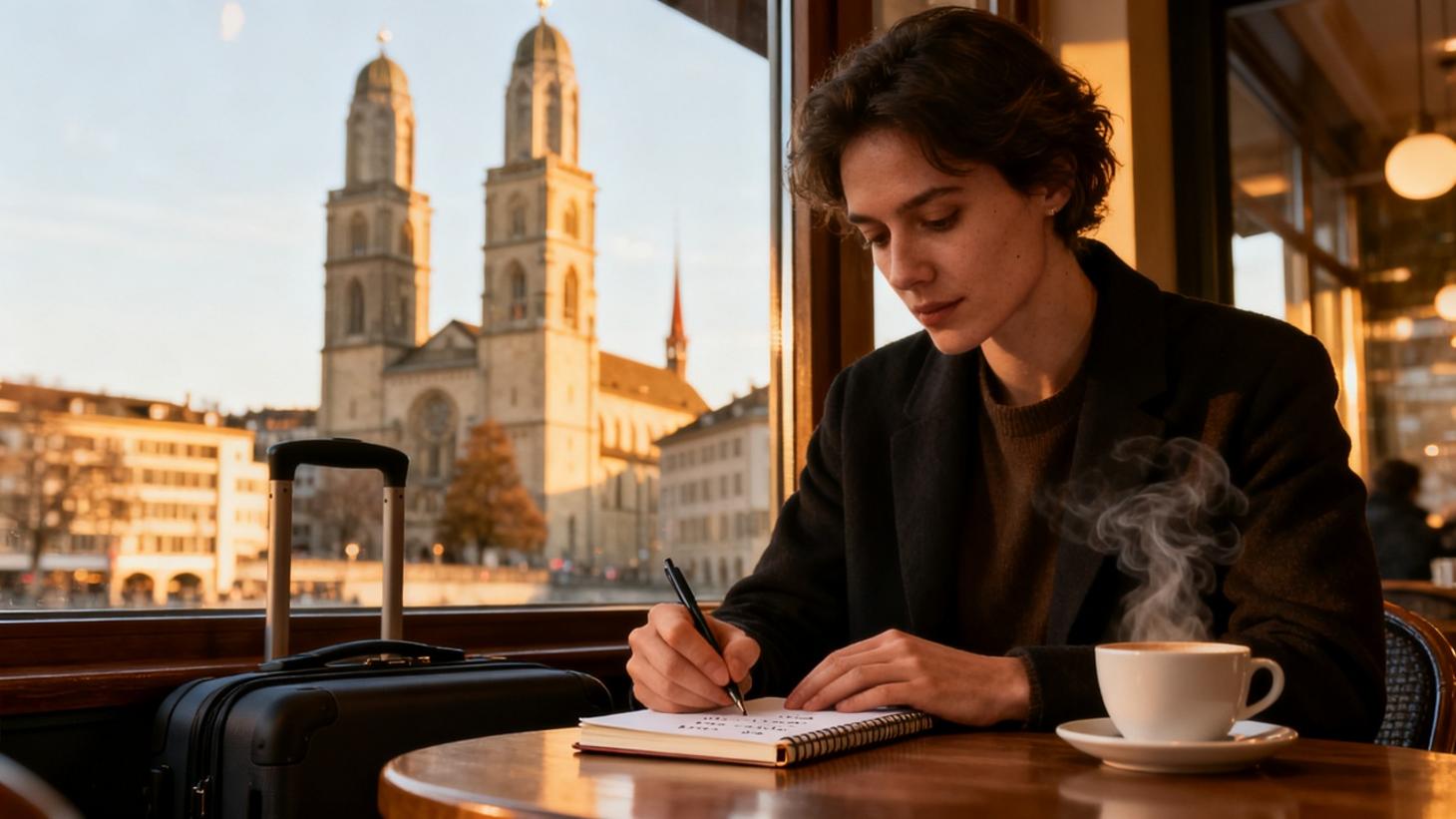
What to Do in Zurich for a Day
Quick Answer
Start your day in the Old Town around Niederdorf, walk along Bahnhofstrasse for shopping and architecture, visit the Grossmünster church, then take a swim or walk along Lake Zurich in the afternoon. End the evening in Zurich West for dinner and a drink. This covers the city’s historic core, lakeside charm, and modern creative quarter in under 10 hours.
What You Will Find in This Guide
Morning in the Old Town
The Old Town, split between Niederdorf on the east bank and the Lindenhof hill on the west, is where you should start your day. This is the historic center of Zurich, with narrow cobblestone streets, medieval guild houses, and cafes that open early. You can cover the main highlights in about two hours on foot, and you will avoid the crowds if you arrive before 10:00.
Begin at Zurich Hauptbahnhof, the main train station. From there, walk east across the Limmat River toward Niederdorf. This pedestrian zone runs parallel to the river and is lined with small bakeries, bookshops, and breakfast spots. Stop at Café Schober on Napfgasse for coffee and pastries. A cappuccino costs around $5.50 and the interior has been unchanged since 1842.
Grossmünster Church
The twin towers of Grossmünster dominate the skyline on the east bank. Entry to the church is free, but climbing the Karlsturm tower costs $5.50 and takes about 10 minutes. The view from the top covers the Old Town, the lake, and the Alps on clear days. The church itself dates back to the 12th century and played a central role in the Protestant Reformation under Huldrych Zwingli.
Fraumünster Church
Cross back over the river to visit Fraumünster, known for its stained glass windows designed by Marc Chagall in 1970. Entry costs $6.50. The blue and yellow panels are worth the visit even if you are not interested in religious art. The church is quieter than Grossmünster and takes about 15 minutes to see properly.
Lindenhof Hill
Walk up to Lindenhof, a small park on a hill above the west bank. This was the site of a Roman fort in the 1st century and now serves as a quiet viewpoint over the Old Town and river. Locals play chess here in the afternoons. There are benches and no entry fee. It is a good place to pause before moving on to the next part of your day.
Bahnhofstrasse and Central Zurich
Bahnhofstrasse is one of the most expensive shopping streets in the world, running 1.4 kilometers from the train station to Lake Zurich. You will find flagship stores for Rolex, Cartier, Louis Vuitton, and Swiss watch brands, along with department stores like Globus and Jelmoli. Even if you are not shopping, the architecture and window displays are worth a slow walk.
The street is car-free except for trams, and it connects the train station to the lakefront in about 15 minutes on foot. Along the way, you will pass Paradeplatz, the financial heart of Zurich and home to Credit Suisse and UBS headquarters. There is a Sprüngli café on the square where you can buy Luxemburgerli, Zurich’s version of macarons, for around $2.50 each.
Swiss National Museum
If you prefer museums to shopping, the Swiss National Museum sits next to the train station and covers Swiss cultural history from prehistoric times to the present. Entry costs $12 and the permanent collection takes about 90 minutes to see. The building itself, built in 1898, looks like a Gothic castle and is one of the most distinctive structures in the city.
Kunsthaus Zurich
For art, head to Kunsthaus Zurich on Heimplatz, a 10-minute tram ride from the Old Town. The collection includes works by Alberto Giacometti, Edvard Munch, Claude Monet, and a strong selection of Swiss modern art. Entry costs $26 for adults. The museum reopened a new wing in 2021, designed by David Chipperfield, and now ranks among the largest art museums in Switzerland. Plan for at least two hours if you go inside.
Lake Zurich in the Afternoon
Lake Zurich stretches 42 kilometers southeast from the city and offers a natural counterpoint to the urban core. In summer, the lakeside is the social center of Zurich, with swimming areas, boat rentals, and public parks. In winter, it is quieter but still worth walking along for the views and fresh air.
Swimming at Seebad Utoquai
If you visit between May and September, consider swimming at one of the public baths along the lake. Seebad Utoquai is a floating platform on the east shore, open from 09:00 to 20:00. Entry costs $9 and includes changing rooms, showers, and direct access to the lake. The water is clean and cold, usually between 18 and 22 degrees Celsius in summer. Locals swim here on lunch breaks.
Boat Tour on the Lake
ZSG operates public boat services on Lake Zurich, and you can use your regular Zurich transport pass if you have a day ticket. A short round trip from Bürkliplatz to Zürichhorn and back takes about 50 minutes and costs $9.50 without a pass. Longer routes go all the way to Rapperswil at the southern end of the lake, which takes two hours each way.
Walk Along the Quaibrücke
The Quaibrücke bridge connects Bahnhofstrasse to the east side of the lake and offers an open view of the water and the distant Alps. On Saturdays, there is a flea market under the bridge on the Bürkliplatz side. You can walk from here along the promenade toward Bellevue, passing cafes, benches, and small gardens. The walk takes about 20 minutes and is flat and easy.
Zurich West for Dinner and Drinks
Zurich West, the former industrial quarter, is now the city’s creative and nightlife hub. It sits about 2 kilometers west of the train station and is accessible by tram 4 or 13 in under 10 minutes. This is where you will find independent restaurants, art galleries, breweries, and a younger, less polished crowd than in the Old Town.
Frau Gerolds Garten
Frau Gerolds Garten is an outdoor bar and food market built from shipping containers, open year-round with heaters in winter. It serves craft beer, natural wine, tacos, pizza, and seasonal dishes from rotating vendors. A beer costs around $7.50, and the atmosphere is casual and social. It is located next to the Prime Tower and is a good place to meet locals or relax before dinner.
Restaurants in Zurich West
For dinner, Markthalle Im Viadukt offers multiple food stalls under railway arches, including Thai, Italian, Swiss, and Middle Eastern options. Meals range from $16 to $28. If you want a sit-down restaurant, try Roots for vegetarian dishes or Brisket for American-style barbecue. Reservations are recommended on weekends.
Bars and Nightlife
Zurich West has the highest concentration of bars in the city. Eldorado is a cocktail bar in a former shipyard building with outdoor seating. Exil is a smaller bar with craft cocktails and a low-key vibe. Gonzo is a live music venue and club that opens after 22:00. Drinks average $15 to $18 for cocktails and $7 for beer.
Day Trips from Zurich
If you have a few extra hours or want to see more of Switzerland, Zurich is the best-connected city in the country for train travel. The Zurich to Lucerne train takes 47 minutes and costs $28 each way. Lucerne is a smaller, more scenic city on the edge of the Alps, with a wooden chapel bridge, a lakeside promenade, and mountain access via the Pilatus or Rigi cogwheel trains.
The Zurich to Milan train runs multiple times per day, takes four hours, and costs around $65 with advance booking. This route crosses the Gotthard Base Tunnel, the longest rail tunnel in the world at 57 kilometers. You can also take the Paris to Zurich train, which takes just over four hours and connects at Gare de Lyon or Gare de l’Est in Paris. Tickets start at $45 if booked early through SBB, the Swiss national railway.
For a shorter trip, consider Rhine Falls, the largest waterfall in Europe by volume, located 45 minutes north of Zurich by train. You can walk around the falls, take a boat to the rock in the middle, and visit the nearby Laufen Castle. Entry to the viewing platforms costs $6.
Practical Tips for One Day in Zurich
Zurich operates on Central European Time, which is UTC+1 in winter and UTC+2 in summer. If you are asking what time is in Zurich Switzerland, it is the same time zone as Paris, Berlin, and Rome. The city is 6 hours ahead of New York and 9 hours ahead of Los Angeles.
Getting Around Zurich
Public transport in Zurich includes trams, buses, trains, boats, and funiculars, all operated under the ZVV network. A day pass for Zone 110, which covers the entire city, costs $9.40 and is valid until 05:00 the next morning. You can buy tickets at machines in every station or through the SBB Mobile app. Inspectors check tickets regularly, and fines are $106 if you are caught without one.
Where Zurich Is Located
Zurich is located in the German-speaking part of northern Switzerland, about 30 kilometers south of the German border. If you are wondering where is the city of Zurich or Zurich where is located, it sits at the intersection of major rail routes connecting Germany, France, Italy, and Austria. The city is built around the Limmat River, which flows out of Lake Zurich and continues north toward the Rhine.
Language and English
The official language is Swiss German, but nearly everyone in Zurich speaks English, especially in shops, restaurants, and tourist areas. Menus are often available in English, and you will have no trouble navigating the city without German. That said, learning a few basic phrases like “Grüezi” for hello and “Merci” for thank you is appreciated.
Best Time to Visit
May through September offers the warmest weather, with daytime temperatures between 18 and 25 degrees Celsius. This is also when the lake is swimmable and outdoor dining is at its best. December is popular for Christmas markets, but expect cold weather and shorter daylight hours. January and February are the quietest months, with fewer tourists and lower hotel prices.
Cash and Cards
Switzerland does not use the Euro. The currency is the Swiss Franc, abbreviated as CHF. Most places accept credit cards, including Visa and Mastercard, but some smaller cafes and market stalls prefer cash. ATMs are easy to find, and exchange rates are usually better at ATMs than at currency exchange offices. Budget about $100 to $150 per person for a full day, including meals, transport, and one or two paid attractions.
Frequently Asked Questions
What are the top things to do in Zurich in one day?
Start in the Old Town with a visit to Grossmünster and Fraumünster, walk along Bahnhofstrasse, spend the afternoon by Lake Zurich, and finish with dinner and drinks in Zurich West. This route covers history, shopping, nature, and nightlife in about 10 hours without feeling rushed.
How much does it cost to spend a day in Zurich?
Expect to spend between $100 and $150 per person for a full day, including a $9.40 transport pass, $30 for meals, $20 for museum or attraction entry, and $40 for dinner and drinks. Zurich is one of the most expensive cities in Europe, but you can lower costs by eating at markets or food stalls instead of sit-down restaurants.
Is one day enough to see Zurich?
Yes, one day is enough to see the main highlights of Zurich if you plan your route carefully. The city is compact, and most attractions are within walking distance or a short tram ride. You will not see everything, but you can cover the Old Town, the lake, and one or two neighborhoods in a single day.
Can you swim in Lake Zurich?
Yes, Lake Zurich is clean and safe for swimming from May through September. Public baths like Seebad Utoquai cost around $9 for entry and include changing facilities. The water temperature ranges from 18 to 22 degrees Celsius in summer, which is cold but refreshing.
How do I get from Zurich to Lucerne?
The Zurich to Lucerne train departs from Zurich Hauptbahnhof every 30 minutes and takes 47 minutes. Tickets cost $28 each way for second class. You can book through the SBB Mobile app or buy at the station. Lucerne is a popular day trip and offers mountain access, lake cruises, and a well-preserved medieval Old Town.
Final Thoughts on Spending One Day in Zurich
Zurich rewards focused planning. If you know what to do in Zurich for a day and stick to a clear route, you can experience the city’s history, culture, natural beauty, and nightlife without feeling overwhelmed. The Old Town gives you the medieval core, Bahnhofstrasse shows you the luxury side, the lake offers a break from pavement, and Zurich West rounds out the day with food and energy. This is a city built for efficiency, and that works in your favor when time is limited.
For more detailed guides on things to do in Zurich and other Swiss cities, visit our Zurich city guide for neighborhood breakdowns, restaurant recommendations, and expat living tips. Whether you are passing through or planning a longer stay, Zurich delivers substance over style, and one day here is enough to understand why.
