

Zurich is the economic heart of Switzerland and one of the most visited cities in Europe, but knowing which Zurich attractions are worth your time can save you from aimless wandering. This guide covers 25 must-see sights across the city, from medieval old town lanes to lakeside promenades and modern art museums. Whether you are planning a weekend visit or settling in as an expat, you will find clear details on what to see, what it costs in CHF, and how much time each attraction deserves.
The city sits at an altitude of 408 meters above sea level and spreads across both sides of the Limmat River, which flows from Lake Zurich through the center. Most of the key attractions cluster within walking distance of the Hauptbahnhof, making it easy to see several in a single day.
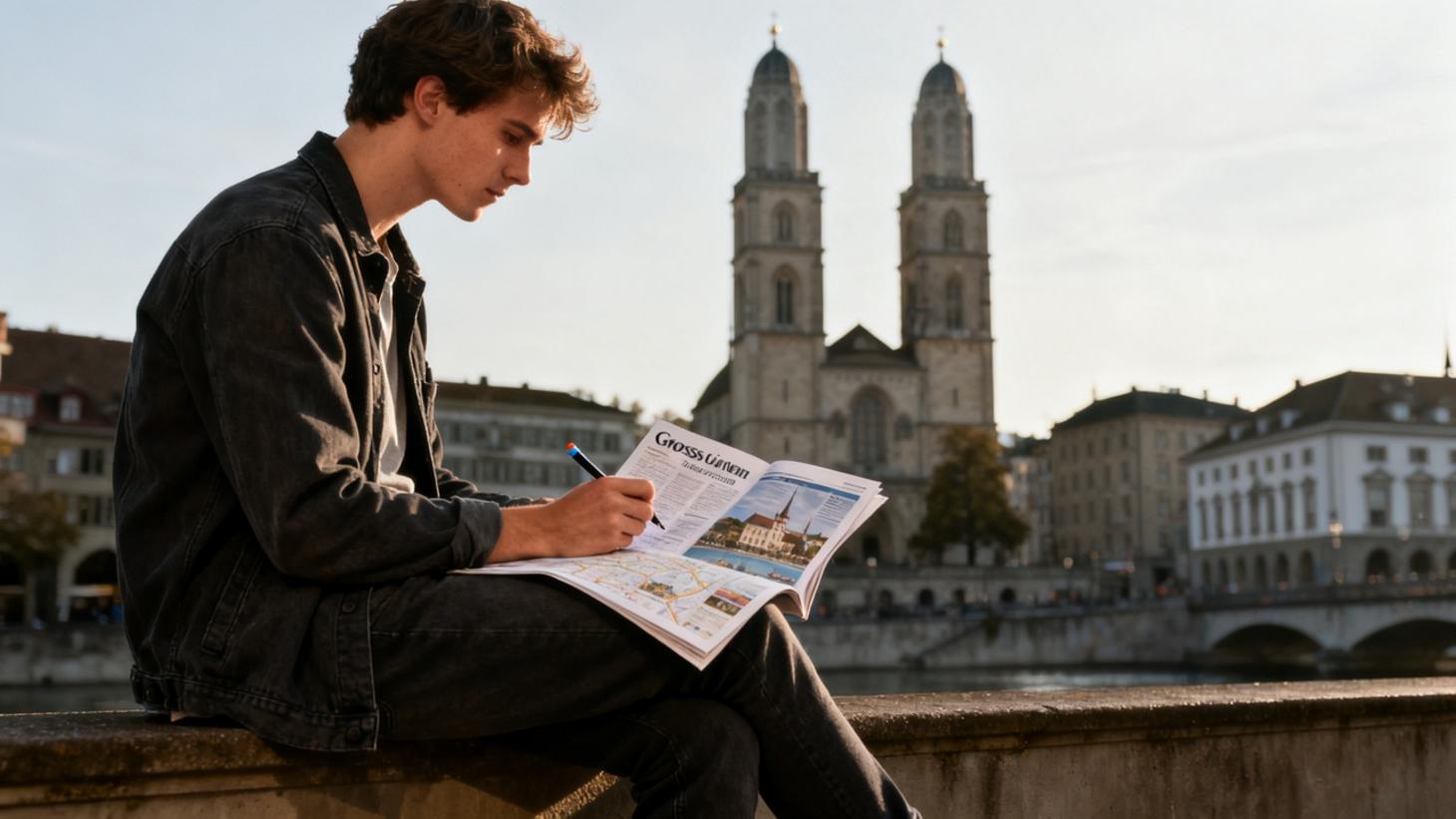
Zurich Attractions — 25 Must-See Sights
Quick Answer
Zurich has 25 standout attractions ranging from free historic sites like Grossmünster and Fraumünster churches to paid museums like the Kunsthaus Zurich, which costs CHF 26 for adults. You can cover the top 10 sights in two full days if you start early and stay focused, though the city rewards a slower pace with lakeside walks and neighborhood cafes.
What You Will Find in This Guide
Exploring the Old Town of Zurich
The Altstadt spreads across both riverbanks and contains narrow cobblestone streets lined with guild houses, cafes, and boutiques dating back to the 13th century. This area forms the historic center and holds many of the top things to do in Zurich for first-time visitors.
You can walk the entire old town in under an hour, though most people take half a day to explore properly. Start at the Hauptbahnhof and walk down Bahnhofstrasse toward the lake, then loop back through the quieter eastern side along Niederdorfstrasse.
Lindenhof Hill
This elevated square sits on the west bank and offers a clear view over the old town rooftops toward the Limmat River and university district. Romans built a fort here in the 1st century, and the spot remains popular with locals playing chess under the linden trees. Entry is free and the hill is open all day.
Niederdorfstrasse
This pedestrian street runs through the heart of the eastern old town and becomes livelier after dark when restaurants and bars fill with both locals and visitors. The street connects Bellevueplatz at the lake to Central near the university, passing medieval buildings now housing fondue restaurants and watch shops.
Rathausbrücke and Guild Houses
The town hall bridge crosses the Limmat at one of its narrowest points and connects to the 17th-century Rathaus, which still serves as the seat of the city and canton government. On the west bank, several guild houses display ornate facades and now operate as restaurants where you can eat traditional Zurcher Geschnetzeltes for around CHF 38.
St. Peter’s Church
St. Peter’s has the largest church clock face in Europe, measuring 8.7 meters in diameter. The current building dates from the 13th century, though a church stood on this site since the 9th century. Climb the tower for CHF 6 to see the bell mechanism and get a close look at the clock from behind.
Lake Zurich and Waterfront Attractions
Lake Zurich stretches 40 kilometers southeast from the city and reaches a maximum depth of 136 meters. The northern shore within city limits offers promenades, swimming areas, and boat departure points that make up some of the most relaxing things to do in Zurich Switzerland during warm months.
Bürkliplatz and Boat Pier
This square at the bottom of Bahnhofstrasse serves as the main departure point for lake cruises operated by Zurich Lake Navigation Company. A short circular cruise lasting 90 minutes costs CHF 29.40 for adults and covers the northern section of the lake with recorded commentary in English.
Seebad Utoquai
This public lakeside bath sits on the eastern shore near Bellevueplatz and charges CHF 8 for entry during summer months from May through September. Wooden decks extend over the water with ladders for swimming, plus a small cafe serving coffee and ice cream. The water temperature averages 21 degrees Celsius in July.
Zürichhorn Park and Chinese Garden
This green space on the eastern shore includes walking paths, lakefront lawns, and the Chinese Garden, which opened in 1994 as a gift from Zurich’s sister city Kunming. Garden entry costs CHF 5 and includes a traditional pavilion, courtyards, and a pond stocked with koi. The park itself remains free and accessible all day.
Lakeside Promenade
A paved walking and cycling path runs along both shores of the lake for several kilometers from the city center. The eastern path from Bellevueplatz to Tiefenbrunnen covers roughly 3 kilometers and passes several public swimming areas and parks. On weekends, locals use this path for jogging, inline skating, and walking dogs.
Museums Worth Your Time
Zurich holds more than 50 museums covering art, history, natural sciences, and design. The following six museums offer the strongest collections and clearest English information for international visitors exploring Zurich attractions.
Kunsthaus Zurich
The Kunsthaus is the largest art museum in Switzerland and houses works from the Middle Ages through contemporary periods, with particular strength in Swiss and German modernism. The collection includes major pieces by Alberto Giacometti, Marc Chagall, and Edvard Munch. Adult admission costs CHF 26, and the museum closes on Mondays. Plan for at least two hours to cover the main galleries.
Swiss National Museum
This museum sits directly behind the Hauptbahnhof in a castle-like building from 1898 and covers Swiss cultural history from prehistoric times to the present. Permanent exhibits include medieval religious art, historic weapons, and reconstructed period rooms showing how Swiss families lived across different centuries. Entry costs CHF 10 for adults and the museum is closed on Mondays.
Museum Rietberg
Rietberg specializes in non-European art and displays collections from Asia, Africa, the Americas, and Oceania within a park setting in the Enge district. The museum occupies three historic villas plus a modern underground extension. Adult tickets cost CHF 14 and the site is closed on Mondays. Reach the museum via tram 7 from the Hauptbahnhof in 15 minutes.
FIFA World Football Museum
This museum opened in 2016 near the Enge train station and covers the history of international football through interactive exhibits, historic jerseys, and all World Cup trophies. Adult admission costs CHF 24 and the museum opens daily except Mondays. The top floor includes a sports bar with views toward the lake.
Zurich Toy Museum
Located in a narrow building in the old town, this small museum displays antique toys from across Europe dating back to the 18th century, including tin soldiers, dollhouses, and mechanical toys. Entry costs CHF 7 for adults and the space suits families with younger children. The museum opens afternoons only and closes on Tuesdays.
Museum of Design
This museum in the Aussersihl district presents rotating exhibitions on graphic design, industrial design, and architecture, with a permanent collection of posters and product design from Swiss designers. Entry costs CHF 12 for adults and the museum closes on Mondays. The building also houses a library and cafe.
Historic Churches in Zurich
Three major churches define the skyline and history of Zurich, all located within a 10-minute walk of each other in the old town. Each represents a different chapter in the city’s religious and political development.
Grossmünster
Grossmünster is the most recognizable church in Zurich, with twin towers visible from across the city. Construction began in the 12th century, and the church became the starting point of the Swiss Reformation when Huldrych Zwingli began preaching here in 1519. Climbing the Karlsturm tower costs CHF 5 and involves 187 steps to reach a viewing platform at 62 meters height. The church interior remains austere in keeping with Reformed Protestant tradition, with plain white walls and minimal decoration.
Fraumünster
Fraumünster sits on the west bank opposite Grossmünster and dates from the 9th century when it served as an abbey church. The main attraction is the set of stained glass windows designed by Marc Chagall in 1970, depicting biblical scenes in deep blues and reds. Entry to the church is free, though a donation of CHF 5 is suggested to help maintain the building. The cloister includes frescoes showing scenes from Zurich’s founding legends.
Wasserkirche
This small church sits on an island between two sections of the Limmat River near Bellevueplatz and originally stood in the middle of the river before land reclamation connected it to the bank. The site marks the legendary spot where Zurich’s patron saints Felix and Regula were martyred in the 3rd century. The church now operates as a reading room and lecture space rather than an active place of worship.
Parks and Gardens
Zurich maintains numerous public parks and green spaces that provide quiet breaks from museum visits and urban walking. These four parks offer the best combination of location, scenery, and facilities.
Rieterpark
This hillside park in the Enge district surrounds the Museum Rietberg and includes mature trees, terraced gardens, and views over the city toward the lake. The park connects to a network of walking trails leading through the Entlisberg forest. A small cafe near the museum serves lunch and coffee from April through October.
Arboretum
This tree collection spreads along the western shore of Lake Zurich near the Mythenquai tram stop and contains more than 100 species of native and exotic trees, each labeled with botanical information in German, English, and Latin. The park includes lakefront walking paths and grassy areas for picnics. Entry is free and the grounds remain open all day.
Botanical Garden of the University of Zurich
These gardens cover 5.4 hectares near the university campus and include outdoor plantings plus three climate-controlled greenhouse domes displaying Mediterranean, tropical, and savanna environments. Entry is free and the gardens open daily from March through October, with reduced winter hours. The tropical dome maintains temperatures above 24 degrees Celsius year-round and houses banana plants, orchids, and a small waterfall.
Platzspitz Park
This park sits at the confluence of the Sihl and Limmat rivers behind the Swiss National Museum and offers shaded walking paths under old chestnut trees. The park gained notoriety in the 1980s as an open drug scene but was cleaned up in the 1990s and now serves families and museum visitors looking for a green space near the train station.
Best Viewpoints in Zurich
The city spreads across a relatively flat valley between low hills, which means most viewpoints require either climbing stairs or taking public transport to higher ground. These three spots offer the clearest panoramas over the Zurich attractions below.
Uetliberg
Uetliberg rises to 871 meters and provides the best all-around view of Zurich, the lake, and the Alps beyond. A train departs from the main station every 30 minutes and reaches Uetliberg station in 25 minutes, where a 10-minute walk leads to the summit lookout tower. A standard single ticket costs CHF 13.60, though Swiss Travel Passes and Zurich Cards cover the journey. The viewing platform includes a restaurant open daily for lunch and dinner.
Lindenhof
This central hilltop in the old town offers a more modest but still worthwhile view over the Limmat River, university buildings, and eastern old town. The square sits only 30 meters above the river but provides clear sightlines without needing to leave the city center. Benches under linden trees make this a good spot for a short rest between visiting other attractions.
Grossmünster Tower
The Karlsturm at Grossmünster reaches 62 meters and looks directly down onto the old town streets and river. The view is less expansive than Uetliberg but offers a unique perspective on the historic buildings below. Tower entry costs CHF 5 and involves climbing a narrow stone staircase with 187 steps.
Shopping Streets and Districts
Zurich ranks among the most expensive shopping cities in the world, with Bahnhofstrasse serving as the main luxury retail corridor. Beyond the high-end brands, several neighborhoods offer independent boutiques and local products.
Bahnhofstrasse
This 1.4-kilometer street connects the Hauptbahnhof to the lake and holds flagship stores for Swiss watch brands including Rolex, Patek Philippe, and Omega, plus international luxury fashion houses. The street is fully pedestrianized and lined with linden trees. Most stores close on Sundays, following Swiss retail law.
Niederdorfstrasse
The main street of the eastern old town combines tourist shops selling Swiss souvenirs with independent bookstores, vintage clothing outlets, and small art galleries. Prices are generally lower than Bahnhofstrasse, though still reflect Zurich’s cost of living. The street stays open later than most shopping districts due to its concentration of bars and restaurants.
Langstrasse
This multi-ethnic street in the Kreis 4 district west of the train station has transformed from a red-light area to a center for independent fashion, record shops, and international food stores. Rents remain lower than in the old town, which allows smaller businesses to operate. The street is less polished than central Zurich but offers a more diverse shopping experience.
Zurich West
The former industrial district along the Limmat west of the main station now holds converted factory buildings housing design shops, furniture showrooms, and concept stores. The Viadukt along Limmatstrasse contains shops under the arches of a historic railway bridge. This area suits visitors interested in contemporary Swiss design more than traditional souvenirs.
Day Trips from Zurich
Zurich sits at the center of Switzerland’s rail network, making several major destinations accessible for day trips. These four trips require between 45 minutes and 2 hours each way and return you to Zurich the same evening.
Lucerne
The Zurich to Lucerne train takes 45 minutes on the direct InterCity service and costs CHF 27 each way for a second-class ticket. Lucerne offers a well-preserved old town, the covered Chapel Bridge, and boat trips on Lake Lucerne with views of Mount Pilatus and Rigi. Most visitors spend 4 to 6 hours in Lucerne before returning to Zurich.
Rhine Falls
Europe’s largest waterfall by volume sits near Schaffhausen, 50 kilometers north of Zurich. Trains to Schaffhausen depart hourly and take 40 minutes, then a local bus reaches the falls in 10 minutes. The falls span 150 meters wide and drop 23 meters, with viewing platforms on both banks. Entry to the viewing areas is free, though boat rides to the rock in the center cost CHF 7.
Stein am Rhein
This medieval town on the Rhine River near the German border features painted building facades and a riverside location that makes it one of the most photographed towns in Switzerland. Direct trains from Zurich take 65 minutes and cost CHF 29 each way. The town is small enough to see in 2 to 3 hours, with several restaurants serving lake fish dishes.
Appenzell
This traditional alpine village in eastern Switzerland maintains customs including yodeling, alpine folk music, and decorative wooden houses. The journey from Zurich requires 90 minutes and one change of train in Gossau, with tickets costing CHF 38 each way. Appenzell sits in a rural valley and offers a strong contrast to urban Zurich, though it sees heavy tourist traffic on summer weekends.
Practical Tips for Visiting Zurich Attractions
Planning your time and understanding local customs will help you see more of Zurich without wasting hours on avoidable mistakes. These tips apply to most visitors spending between two and five days in the city.
Get a Zurich Card
The Zurich Card costs CHF 27 for 24 hours or CHF 53 for 72 hours and includes unlimited public transport within the city plus free or reduced entry to most museums. If you plan to visit three or more paid attractions and use trams frequently, the card pays for itself. Purchase cards at the tourist information desk in the Hauptbahnhof or online before arrival.
Most Museums Close Monday
Nearly all major museums in Zurich close on Mondays, including the Kunsthaus, Swiss National Museum, and Museum Rietberg. Churches and parks remain open all week. If Monday is your only full day in the city, focus on outdoor attractions and the old town rather than indoor exhibits.
What Time Is in Zurich Switzerland
Zurich operates on Central European Time, which is UTC+1 in winter and UTC+2 in summer during daylight saving time. The city shifts clocks forward on the last Sunday of March and back on the last Sunday of October, matching the rest of the European Union. When planning connections to other cities, verify time zones to avoid missing trains.
Sunday Shopping Is Limited
Swiss law restricts Sunday retail hours, and most shops in Zurich close all day except for a few convenience stores at the train station and airport. Restaurants, cafes, and attractions remain open, but plan any shopping for weekdays or Saturdays. Grocery stores close by 6 PM on Saturdays and stay closed until Monday morning.
Public Transport Runs on Honor System
Zurich trams, buses, and trains operate without ticket gates, but inspectors conduct random checks and fine passengers CHF 100 for traveling without valid tickets. Always validate your ticket before boarding if you purchased a single or day pass from a machine. Swiss Travel Passes and Zurich Cards do not require validation.
Tap Water Is Safe Everywhere
Zurich tap water comes from Lake Zurich and meets the same quality standards as bottled water. Public fountains throughout the old town provide free drinking water year-round. Carry a reusable bottle and refill it instead of buying bottled water at CHF 4 per half liter in tourist areas.
Book Trains to Other Cities Early
If you plan day trips from Zurich or onward travel to destinations like Milan or Paris, booking train tickets several weeks in advance can cut costs by 30 to 50 percent. The Paris to Zurich train takes 4 hours via Lyon and costs between CHF 39 and CHF 120 depending on booking time. The Zurich to Milan train runs several times daily via the Gotthard Base Tunnel and takes 3 hours 15 minutes.
Where Is the City of Zurich
Zurich sits in the northern part of Switzerland at the northwestern end of Lake Zurich, roughly 30 kilometers south of the German border. The city serves as the capital of Zurich Canton and lies in the German-speaking region of Switzerland. Zurich where is located matters for planning onward travel, as the city provides direct rail connections to Germany, Austria, Italy, and France within 4 to 6 hours.
Frequently Asked Questions
What are the top three things to do in Zurich?
The three essential experiences in Zurich are walking through the old town from Lindenhof to Niederdorfstrasse, visiting the Chagall windows at Fraumünster, and taking the train to Uetliberg for panoramic views over the city and lake. These three activities cost less than CHF 25 combined and can fit into a single day.
How many days do you need for Zurich attractions?
Two full days cover the main Zurich attractions including the old town, lakefront, Kunsthaus, and Grossmünster, with time for a relaxed lunch and evening walk. Three days allow for deeper museum visits and a half-day trip to Uetliberg or the Rhine Falls. One day works if you focus only on the old town and skip museums.
Is Zurich worth visiting as a tourist?
Zurich is worth visiting if you appreciate clean urban design, art museums, and lakeside settings, though the city lacks dramatic monuments and costs more than most European capitals. The old town offers genuine medieval character, and day trip connections to Lucerne and the Alps are excellent. Skip Zurich if you prefer vibrant nightlife or budget travel.
What is the best time to visit Zurich?
May through September offers the most reliable weather for outdoor attractions and lake swimming, with average high temperatures between 18 and 24 degrees Celsius. December brings Christmas markets in the old town and Bahnhofstrasse. January and February are the coldest and least appealing months for visitors, with temperatures often below freezing and gray skies.
Can you see Zurich attractions without speaking German?
You can visit all major Zurich attractions with only English, as museum information, restaurant menus, and public transport signage include English translations. Most people working in tourism and hospitality speak conversational English. Learning basic German greetings helps with social interactions but is not required for navigating the city.
Final Thoughts on Zurich Attractions
Zurich rewards visitors who appreciate quality over quantity, with museums that match international standards and historic sites that avoid theme park theatrics. The Zurich attractions covered here span enough variety to fill three days without rushing, though many travelers pass through in less time as part of longer Switzerland itineraries.
The city works best as a base for exploring nearby destinations like Lucerne, Stein am Rhein, and the Rhine Falls, all reachable within an hour by train. If you only have one day, walk the old town, see the Chagall windows at Fraumünster, and climb Grossmünster tower before catching an afternoon train onward.
For more detailed guidance on getting around Switzerland, check our Zurich to Lucerne train guide for schedules and ticket options.
