

If you are planning a visit to Zurich and wondering what language do they speak in Zurich, the short answer is Swiss German in daily life and Standard German for official purposes. But the full picture is more nuanced. Zurich is the largest city in Switzerland with a population of over 440,000 people, and you will hear far more than one language on its streets. English is widely spoken in business districts, tourist areas, and hospitality settings. French and Italian are also common due to Switzerland’s multilingual nature. This guide explains which language you can expect to encounter, where, and what it means for your visit.
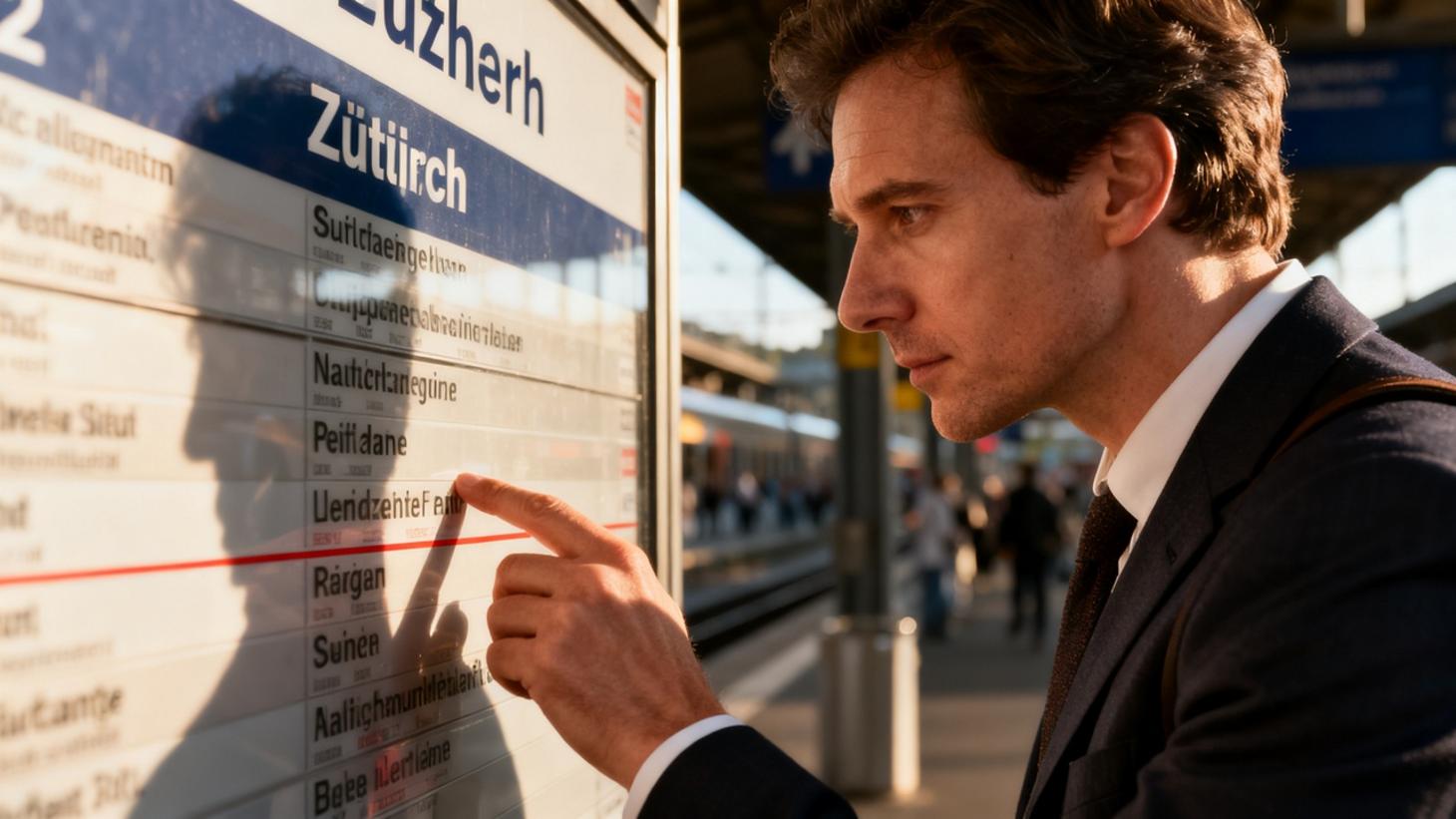
Languages Spoken in Zurich — Visitor’s Guide
Quick Answer
The primary language spoken in Zurich is Swiss German, a dialect used in everyday conversation by locals. Standard German is the written language and is used in official settings, education, and media. English is widely understood in tourist areas, hotels, restaurants, and most business environments, making Zurich accessible for English-speaking visitors.
What You Will Find in This Guide
Swiss German vs Standard German
Swiss German is the spoken dialect used by most locals in Zurich and across German-speaking Switzerland. It differs significantly from Standard German in pronunciation, vocabulary, and grammar, and even native German speakers from Germany or Austria often struggle to understand it at first.
Standard German, known as Hochdeutsch, is what you will see written on signs, menus, official documents, and in newspapers. It is taught in schools and used in formal settings like government offices, universities, and news broadcasts. Most Swiss people are fully fluent in both.
For visitors, this means you will hear Swiss German spoken between locals but encounter Standard German in written form. If you learned German in school or know some basic phrases, you will recognize written signs and menus. Spoken conversations between locals may sound entirely foreign.
The Zurich dialect of Swiss German is considered one of the more understandable variants compared to dialects from rural mountain regions. That said, it is still a challenge for non-native speakers. The good news is that most locals will switch to Standard German or English when they realize you are a visitor.
How Widely Is English Spoken in Zurich
English is widely spoken in Zurich, especially in areas frequented by tourists, business travelers, and expats. According to the Swiss Federal Statistical Office, over 45 percent of the Swiss population speaks English regularly, and that percentage is higher in urban centers like Zurich.
In hotels, restaurants, cafes, shops, and tourist attractions, staff almost always speak English fluently. You can order food, ask for directions, buy train tickets, and navigate museums without knowing a word of German. The Zurich Tourism office, located at the main train station, operates entirely in English.
Public transport announcements on trams, buses, and trains are often given in German, but digital displays show station names clearly. The SBB mobile app, which you will use to book tickets and check schedules, is available in English and works seamlessly.
In business districts like Zurich West and the financial quarter near Paradeplatz, English is the working language for many international firms. Expats, digital nomads, and relocated professionals can operate entirely in English for work and daily life.
That said, venturing into residential neighborhoods further from the city center may present more language challenges. Older residents and those working in traditional trades may speak little or no English. Politeness and patience go a long way in these situations.
Other Languages You Will Hear in Zurich
Zurich is one of the most international cities in Switzerland. Around 32 percent of its residents are foreign nationals, and the city has a long history of immigration and multiculturalism. You will hear dozens of languages on any given day.
French and Italian
French and Italian are two of Switzerland’s four national languages. Many Swiss people learn both in school, and you will often find menus, signs, and official documents in French and Italian alongside German. In customer service roles, employees frequently speak all three languages plus English.
Portuguese
The Portuguese-speaking community is one of the largest immigrant groups in Zurich. You will find Portuguese restaurants, bakeries, and community centers, particularly in the Aussersihl and Wiedikon districts.
Spanish and Serbian
Spanish is commonly heard due to significant communities from Spain and Latin America. Serbian, Croatian, and other languages from the Balkans are also prevalent, reflecting decades of immigration from former Yugoslavia.
English as a Lingua Franca
English often serves as the common language among Zurich’s international residents. In shared workspaces, international schools, and expat social groups, English is the default mode of communication.
Language Tips for Visitors
You do not need to speak German to visit Zurich, but learning a few basic phrases improves your experience and shows respect for local culture. Swiss people appreciate the effort, even if you stumble through pronunciation.
Essential German Phrases
-
- Grüezi – hello (formal, used widely in Zurich)
-
- Merci or Danke – thank you (both used interchangeably)
-
- Bitte – please or you’re welcome
-
- Entschuldigung – excuse me
-
- Sprechen Sie Englisch – do you speak English
-
- Wie viel kostet das – how much does this cost
-
- Wo ist – where is
These phrases cover most interactions you will have in shops, cafes, and public spaces. Using Grüezi instead of the German Hallo marks you as someone who has done a bit of homework on local customs.
When to Use English
Start with a polite Grüezi, then ask Sprechen Sie Englisch before launching into your question. Most locals will appreciate the courtesy and switch to English without hesitation.
Written Signs and Menus
Menus in Zurich are almost always in German, but many restaurants in tourist areas provide English translations. If not, use a translation app. Google Translate works well for menus and signs and even has a camera feature that translates text in real time.
Tipping and Service
Service is included in Swiss restaurant bills, but rounding up or adding 5 to 10 percent is common practice. You can say “Stimmt so” when paying to indicate you do not need change, or simply leave cash on the table.
Where to Use Which Language
Understanding where each language is most useful helps you navigate Zurich with confidence. Different areas of the city and types of establishments have different language norms.
Tourist Areas and Attractions
In Zurich Old Town, around Lake Zurich, and at major attractions like the Swiss National Museum, Kunsthaus Zurich, and Fraumünster Church, English is the standard. Staff expect international visitors and communicate fluently in English.
Public Transport
Zurich’s trams, buses, and trains operate with announcements in Swiss German. Digital displays show stop names, and the SBB app provides real-time information in English. Ticket machines have an English language option. If you need help, ask younger passengers or staff at information desks, who almost always speak English.
Shopping and Supermarkets
Staff at major retailers like Coop, Migros, and Manor usually speak English. Self-checkout machines have an English option. In smaller independent shops, you may encounter more Swiss German, but politeness and gestures go a long way.
Restaurants and Cafes
High-end restaurants and cafes in central Zurich operate in English. Neighborhood eateries and traditional Swiss restaurants may have German-only menus, but staff generally understand English requests. If you are looking for authentic things to do in Zurich, dining at a traditional Zürcher Geschnetzeltes spot is worth the minor language challenge.
Healthcare and Pharmacies
Doctors, dentists, and pharmacists in Zurich are highly educated and almost always speak excellent English. Medical appointments, prescriptions, and health consultations can be conducted entirely in English.
Government Offices and Banks
Official forms and documents are usually in German, French, and Italian, but many institutions provide English versions. Bank staff in major branches speak English. If you are opening an account or dealing with residence permits, bring a friend who speaks German or request an English-speaking representative in advance.
Learning Basic Swiss German or German
If you plan to stay in Zurich longer than a few weeks or are considering relocation, learning German pays off. You will integrate more easily, make local friends faster, and access services with less friction.
Standard German or Swiss German
Most language schools in Zurich teach Standard German first, then offer Swiss German as an add-on or advanced course. This approach makes sense because Standard German is the written language and more universally useful across German-speaking Europe.
Once you have a foundation in Standard German, picking up Swiss German becomes easier. You start recognizing patterns, common expressions, and pronunciation differences. Many expats find that after six months of daily life in Zurich, they understand Swiss German passively even if they do not speak it fluently.
Language Schools in Zurich
Zurich has numerous language schools offering German courses at all levels. Popular options include Klubschule Migros, Bellingua, and the University of Zurich Language Center. Group courses typically cost between $400 and $700 for a 10-week term. Private lessons range from $60 to $100 per hour.
Free Language Exchange Programs
Language exchange meetups are common in Zurich. Locals looking to practice English meet with expats learning German. These informal sessions happen at cafes, parks, and community centers. Websites like Meetup and Tandem connect language learners.
Apps and Online Resources
Apps like Duolingo, Babbel, and Pimsleur offer German courses that work well for beginners. YouTube channels focused on Swiss German provide listening practice. Podcasts like “Slow German” help with comprehension at a manageable pace.
Common Language Barriers and How to Avoid Them
Even in an English-friendly city like Zurich, occasional language barriers arise. Knowing where challenges typically occur helps you prepare and navigate them smoothly.
Telephone Customer Service
Calling Swiss companies, utilities, or government offices often means navigating automated menus in German. Many systems offer an English option if you wait through the initial prompts. If you reach a live representative who does not speak English, politely ask if someone who does is available.
Medical Specialists
While general practitioners in Zurich almost always speak English, specialists in smaller clinics or outside the city center may not. When booking appointments, confirm language availability. Receptionists can usually arrange for an English-speaking doctor or an interpreter if needed.
Legal and Administrative Documents
Contracts, lease agreements, tax forms, and official letters from authorities are typically in German. If you are staying long-term, budget for translation services or hire an English-speaking advisor who can guide you through paperwork. Many expat relocation services offer this support.
Social Integration
Making Swiss friends is easier if you speak at least some German. Social interactions in local sports clubs, hobby groups, and neighborhood gatherings happen primarily in Swiss German. Expats who rely solely on English often find themselves in international social circles rather than integrating deeply with locals.
Children and Schools
If you are relocating to Zurich with children, international schools operate in English. Public schools teach in Standard German, and children are expected to learn the language quickly. Immersion programs help, but parental involvement in homework and school communication requires some German proficiency.
Frequently Asked Questions
Can I survive in Zurich speaking only English?
Yes, you can navigate Zurich comfortably speaking only English, especially in tourist areas, business districts, and hospitality settings. Most hotels, restaurants, shops, and public services operate in English. However, learning basic German phrases improves your experience and helps in residential neighborhoods or when dealing with administrative tasks.
Is Swiss German very different from Standard German?
Swiss German is significantly different from Standard German in pronunciation, vocabulary, and grammar. Even native German speakers from Germany or Austria find it difficult to understand at first. Swiss German is primarily a spoken dialect, while Standard German is used for writing and formal communication.
Do people in Zurich speak French or Italian?
Many people in Zurich speak French or Italian as second or third languages because these are two of Switzerland’s four national languages. While the primary language is Swiss German, French and Italian are taught in schools, and you will often find multilingual staff in customer service roles and bilingual signs in official settings.
What language should I use when asking for help in Zurich?
Start with a polite Grüezi, then ask Sprechen Sie Englisch before continuing in English. Most people in Zurich appreciate the courtesy of a greeting in the local language and will gladly switch to English if they speak it. Younger people and those working in tourism or business almost always speak English fluently.
Are signs and public transport announcements in English in Zurich?
Public transport announcements are usually in Swiss German, but digital displays on trams, buses, and trains show station names and route information clearly. The SBB mobile app operates in English and provides real-time updates. Ticket machines and airport signage also have English language options for convenience.
Final Thoughts on Languages Spoken in Zurich
Understanding what language do they speak in Zurich gives you confidence whether you are visiting for a weekend or planning a longer stay. Swiss German dominates daily conversation, Standard German appears in written form, and English serves as the common ground for international visitors and expats. You will manage well with English in tourist areas, hotels, restaurants, and business settings. Learning a few basic German phrases enhances your experience and earns goodwill from locals. If you are planning your itinerary, check out more things to do in Zurich Switzerland to make the most of your time in this multilingual, welcoming city.
